Ad Creative
The difference between an ad concept and an ad hook, and why it matters
Short answerA concept is who the ad is for and how they see their problem at one moment: one person, one big problem, one worldview about it. A hook is the first line or two that stops that person and pulls them in. One concept can carry dozens of hooks. It matters because swapping hooks on the same concept mostly reaches the same people again, while a new concept reaches new ones.
Most people use “concept,” “angle” and “hook” as if they’re the same word. I was in a lot of programs that talked about concepts constantly, and eventually I figured out what they really meant.
As I put it on a call once: “they just talked about, like, concepts, concepts, concepts, concepts, and what they really meant was hooks. And a hook is not a concept. A hook is not an angle.”
That sounds like a vocabulary nitpick. It isn’t. Mixing them up is the reason a lot of accounts think they’re testing like crazy when they’re really testing one idea over and over.
What a concept actually is
My definition: a concept is a marketing hypothesis about one specific person with one specific big problem, one solution, and one worldview about all of it, looked at through a particular lens.
It’s a bet about who someone is at a specific point in time. What they believe, what they’ve tried, what they’re feeling about it right now, and what kind of message would make them go “that’s me.”
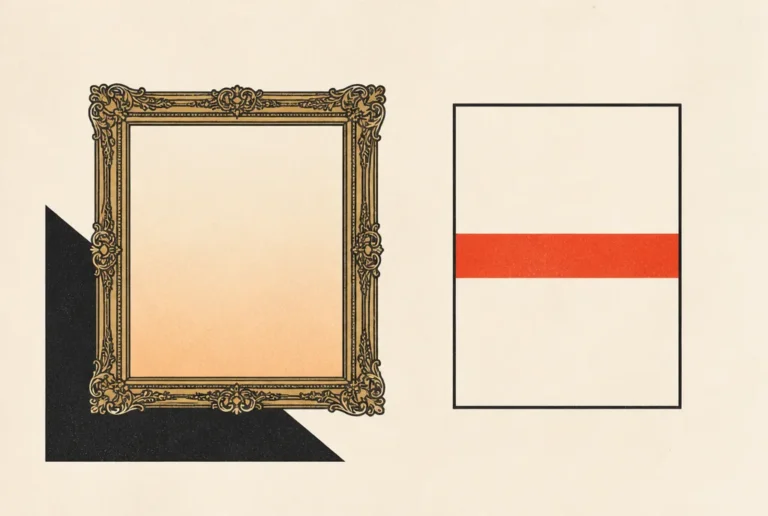
The way I explain it in a webinar: a concept is not a creative. The creative is like the clothes. The concept is the person wearing the clothes. And Facebook always matches the person, not the outfit.
What a hook is
A hook is the concrete, pointed bit of messaging at the front of the ad. The first one to three lines. Its only job is to stop the scroll and pull in the version of the person the concept was built around.
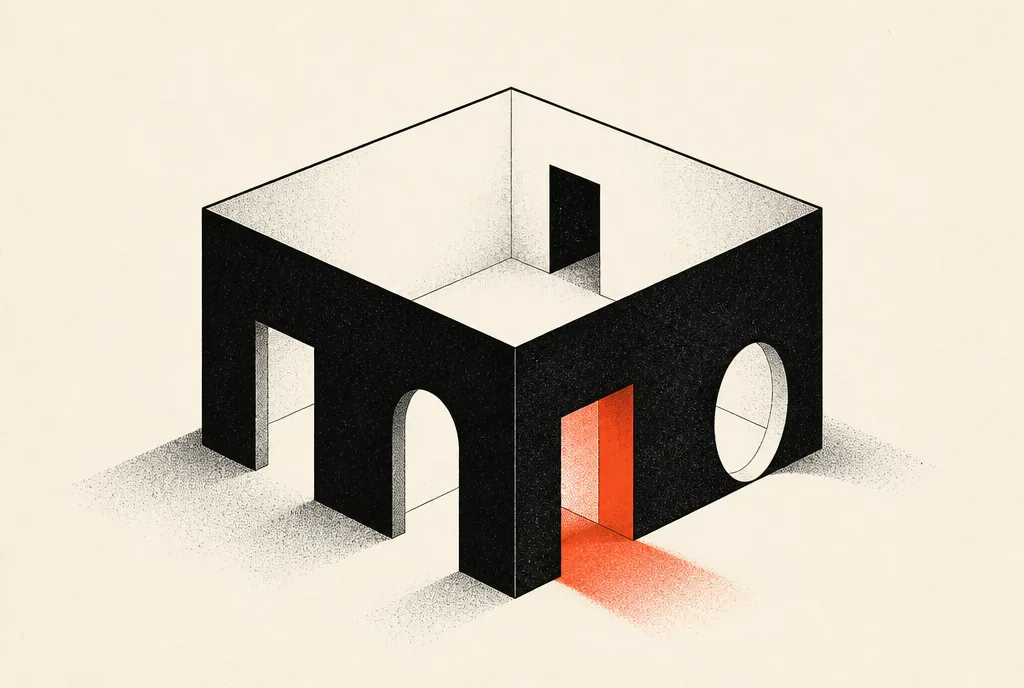
Think of the concept as a room and each hook as a different door into it. Same room, same person inside, lots of ways in. Once I have a concept figured out, I can write something like 50 hooks off it, and turn the best of those into maybe 5 to 10 really strong full ads.
That’s also why the order matters. You can’t write a strong hook until you have a clear concept. A hook’s job is to intercept a specific person, and you can’t intercept somebody you haven’t defined yet.
(An angle, for what it’s worth, is even vaguer than a hook. “Fear-based,” “aspirational,” “story-based.” It’s a direction, not a person.)
Why it matters: most “testing” is one idea in 30 outfits
This is the part that stung when I found it in my own account.
If you ignore the creative and just look at the idea sitting underneath each ad (the person, the moment, the worldview), you usually find you’ve got two or three ideas wearing 30 different outfits. You think you’ve been testing all year. You’ve been testing the same bet with different wording.
The day I figured that out about my own ad account, I felt sick for about 10 minutes. Then I felt more relief than I’d felt in a year, because if my testing was fake, my failure was fake too.
Here’s why it matters in the account and not just on paper. When a concept finds its pocket of buyers and works through them, a fresh hook on that same concept is mostly going back to the same pocket. Refreshing the hook is changing the color of your lure. Launching a new concept is moving to a completely different part of the lake. They’re not the same action, and they don’t get the same result.
It’s also why I say your creative does more targeting than your targeting settings. The concept is the signal. Change it and you change who sees the ad.
The test I use to tell them apart
Ask one question about any new ad: does this need a different type of buyer to respond, or would the same buyer respond to either version?
If it needs a different buyer, it’s a new concept. If the same person would respond to both, it’s a hook or creative variation on a concept you already have.
Here’s a worked example I’ve used for contractors. The concept: contractors believe Facebook ads don’t work, but the real reason is they’ve been throwing digital spaghetti at the wall with ads that look like they belong in the back of the newspaper. Tune the concept, and Facebook has no choice but to show it to the right people. One hook off that: “This proven ‘concept’ advertising method slashes ad costs.” Another: “This proven Facebook ad framework takes 10 minutes and removes the guesswork from contractor ads.”
Those are two different doors into the same room, with the same contractor and the same belief inside. If they both flop, rewriting a third hook probably won’t save it. You need a different contractor, or a different belief.
When hooks really are the thing to test
I’m not saying hooks don’t matter. They matter a lot, just at the right time.
Once a concept is working, hooks are how you get more out of it. You don’t find a concept that works and immediately wander off to the next shiny one. You write more ads on it and work that pocket properly before moving on. In an ad set, I’ll typically run four or five ads that are all different hooks or creatives on the same concept.
And a weak hook can absolutely sink a good concept, because the opening lines steer everything that comes after them. If you want the how on that part, I wrote up how I write the first two lines of a cold traffic ad.
So the honest version is this. Hook testing is great for squeezing a concept that already works. It’s a bad way to find out whether you have a concept in the first place.
What to do this week
Pull up your last 10 ads and sort them into two columns: genuinely different concepts (a different buyer or a different belief) and variations of a concept you’ve already run. Be strict about it. If the count in the first column is two or three, your next batch shouldn’t be new hooks. It should be one new concept aimed at a person none of those ads was written for.
What is an ad concept in Facebook advertising?
A concept is a hypothesis about one specific person at one moment: their big problem, what they believe about it, and what message will make them feel understood. It sits underneath the ad. Many different hooks, images and body copies can express the same concept, which is why swapping them doesn’t always reach new buyers.
How many hooks should I test per concept?
I’ll often write dozens of hooks for one concept and turn the best into 5 to 10 full ads, then run four or five of them together in one ad set. Keep each ad set to one concept, so Meta gets a clear signal about who the ads are for.
What’s the difference between an angle and a concept?
An angle is a general direction, like fear-based, aspirational or story-based. A concept is much more specific: a particular person, a particular problem, a particular worldview. Two ads with the same angle can speak to completely different people, and two ads with different angles can still be the same concept.
P.S. If you do the 10-ad sort and find you’ve got two concepts, don’t beat yourself up. It’s the most common thing I see in accounts, including my own. The upside is that the next idea you actually test is probably reaching people who’ve never seen anything from you.