Ad Creative
How to turn one customer objection into five ads

Short answerGood objection handling ads treat the objection as a symptom and ask what’s underneath it. Every objection sits on at least one of five constraints: what the buyer values, what they believe, what they’ve been through, who they think they are, and what resources they think they lack. Write one ad for each constraint. Each ad agrees with the true part, re-explains what it means, and ties it to your offer.
Most people approach objection handling in ads the same way. They collect them into an FAQ at the bottom of the sales page, or cram three of them into one ad. “Worried it won’t work? Short on time? Tried before? Here’s why this is different.”
That ad doesn’t land, because it’s trying to have four conversations at once.
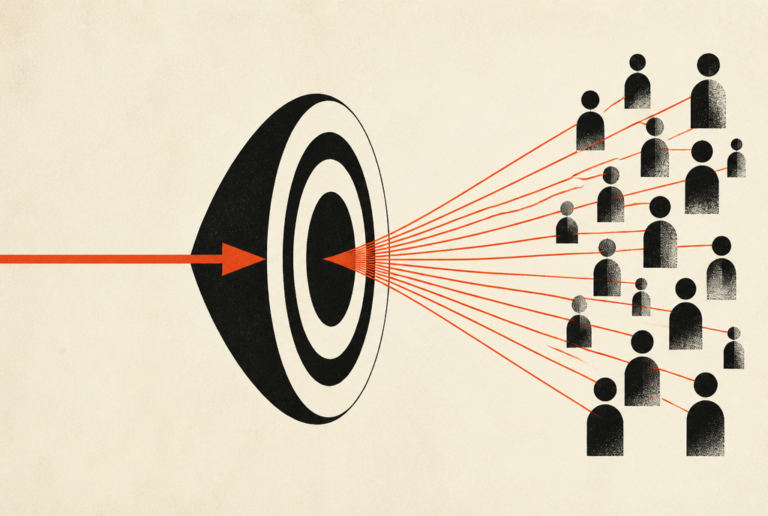
I don’t really believe in objections in the usual sense. An objection is just an unmet constraint. It’s a limitation they’ll run into, or a concern they have, said out loud. And one objection usually has several different constraints hiding under it, which means it’s quietly several different ads.
Here’s how I pull them apart.
Step one: get the objection in their words
Don’t build objection-handling ads from the objection you think people have. Start from what they actually say.
The best sources are the ones where people aren’t performing for you. Comments on your ads and your competitors’ ads. Reviews of products in your space, especially the two and three star ones. DMs. Sales call recordings if you have them. Facebook groups where your buyers complain to each other.
Pick one objection that keeps showing up, and write it down exactly as they phrase it. For the rest of this I’ll use one from my own world as an example: “I’ve tried Facebook ads before and they didn’t work.”
Step two: run it through the five constraints
The way I break constraints down, they fit in five categories. Values, beliefs, experiences, identity and resources. Take your objection and ask what it looks like in each one.
Values is what they care about. Someone who says ads didn’t work might really be saying “I don’t want to do anything spammy or sketchy that isn’t me,” and every ad they’ve seen for ads training looks sketchy.
Beliefs is what they hold to be true about the problem and what’s possible. “Facebook ads used to work, but something changed and I can’t figure out what.” Or simply, “ads don’t work for a business like mine.”
Experiences is what they’ve lived through. “I’ve had campaigns go completely south.” “I’ve bought three courses and none of them fixed it.” Scar tissue.
Identity is who they think they are. “Maybe I’m just not cut out for this.” This is the most powerful constraint and the most expensive one to move.
Resources is time, money, skills and energy. “I can’t afford to burn more money testing.” “I’m not technical enough.” “I don’t have hours a day for this.”
Same sentence from the buyer. Five completely different reasons behind it. If you want the full version of this exercise for your offer, I walked through it in how to map the five constraints stopping someone from buying.
Step three: agree first, then re-explain
Here’s where most objection-handling ads go wrong. They argue. “That’s a myth.” “You’re wrong about that.” And the reader leaves, because you just told them their own life is wrong.
When somebody holds a deep belief or has a real experience, I don’t tell them they’re wrong. I agree with the part that’s true, then re-explain what it means in a way that points to the offer.
You don’t always want to say, “Oh, no, you’re completely wrong.” A lot of the time what you can actually say is, “No, you’re completely right, that’s true, and that’s exactly why I created this.” Then you re-explain what their experience means, so your offer becomes the obvious answer to the thing they already believe.
That’s the move. Validate the constraint as true. Reframe what it means. Tie it to the mechanism in your offer. Then show proof. You still push against bad advice the market has been fed, just never against the buyer’s own lived experience of their life.
Applied to our example, the experiences ad doesn’t argue that their past campaigns were fine. It agrees they went south, then explains why that probably happened (they refreshed creative on the same idea while the pocket of buyers ran dry), and why that isn’t a verdict on them.
Step four: one constraint per ad
Now write five objection-handling ads. One constraint each. Never cram more than one main thought into an ad, otherwise you’ll lose them.
For the “ads didn’t work” objection, that might look like this. The values ad is about getting results without anything that feels spammy or pushy. The beliefs ad names what changed on the platform in plain words and why the old playbook stopped working. The experiences ad starts from the campaign that went south and re-explains it. The identity ad tells them the thing they’ve been waiting to hear, that they’re not bad at this, they were missing one piece. The resources ad is about getting clarity without burning a bigger budget first.
Notice those aren’t five hooks on the same ad. They’re closer to five different people. The person worried about looking spammy and the person who thinks they’re not cut out for this are in different places, even though they typed the same sentence. My read is that’s why this works well on Meta. Each ad gives the system a different kind of buyer to go find.
If you want to go further, each one of those can become a concept with its own hooks underneath it. Once I have a concept figured out I can write a lot of hooks for it, and out of those, a handful of really strong bodies. I wrote about that distinction in the difference between an ad concept and an ad hook.
Step five: know which ones won’t carry the weight alone
Two honest cautions before you launch.
Identity is the hardest one to move, and a single cold ad often can’t do it. If someone firmly believes they’re not the kind of person who succeeds at this, shifting that can take a whole campaign, not one ad for a low ticket product. Sometimes the better move is to aim at people who already hold the identity you need, and let the others come later.
And don’t use this to invent objections nobody has. If a constraint doesn’t show up anywhere in real buyer language, skip it. Four real ads beat five where one is made up.
Once these objection-handling ads are live, judge them the way you’d judge any new concepts. Give them at least a couple of full days, read blended results across the account rather than crowning a single winner, and don’t kill one just because another one gets the credit for the sale.
What to do this week
Find the objection that shows up most often in your comments, DMs or sales calls, and copy it word for word into the top of a blank page. Underneath, write one sentence for each of the five constraints: values, beliefs, experiences, identity, resources. Cross out any that don’t show up in real buyer language. Turn each surviving sentence into the opening two lines of its own ad.
How do you handle objections in Facebook ads?
Don’t list them. Find the constraint underneath the objection, agree with the part that’s true, re-explain what it means, and tie it to your offer. Handle one constraint per ad, because an ad that answers several objections at once usually lands with nobody.
What are the five constraints in marketing?
The way I break it down: values (what they care about), beliefs (what they think is true), experiences (what they’ve lived through), identity (who they think they are) and resources (time, money, skills, energy). Almost every objection a buyer raises comes from at least one of these.
Where do I find my customers’ real objections?
In places where they aren’t performing for you: comments on your ads and competitors’ ads, two and three star reviews, DMs, sales call recordings and the Facebook groups they complain in. Copy their exact words. The phrasing itself often becomes your opening line.
P.S. Keep a running file of the exact phrases buyers use in step one. It’s the cheapest source of opening lines you’ll ever have.