Meta Ads
Why your frequency number is not the reason your ads stopped converting
Short answerFacebook ads frequency is a reading, not a cause. It tells you how many times, on average, people have seen your ads. Ads can stop converting at a perfectly normal frequency, and when frequency is high, the real cause is usually that the pocket of buyers you were reaching is used up. Treat frequency as one signal among several, and look at the concept and the market before you touch the creative.
Here’s how it usually goes. Results slide for a week, somebody opens Ads Manager, adds the frequency column, sees a 3-point-something, and there’s the villain. Time for fresh creative.
Sometimes that number means something. But I see it blamed far more often than it deserves, and the creative refresh that follows usually doesn’t fix anything, because frequency wasn’t what broke.
What the number actually tells you
Meta describes frequency as how many times, on average, people saw your ads. That’s it. It’s a count of exposure, averaged across everyone reached.
That makes it useful for one question: am I reaching new people, or showing the same people my ads over and over? It says nothing on its own about why those people stopped buying.
Facebook ads frequency also depends a lot on the audience. With a really complex audience, the kind that has to research everything before they move, I expect frequency to climb, because those people need to see a lot before they buy. With a simpler mass-market audience I want it lower, and I start paying attention once it goes over about 2 to 2.5.
My working thresholds, for a concept over a rolling 30 days: above about 2.5, I’m watching it a little closer. Above 3 to 3.5, I start thinking about turning that concept off for a while. Notice that’s a concept, not a single ad, and a trend, not one bad Tuesday.
Ads can die at a perfectly normal frequency
A friend of mine with a fairly big offer called me because his CPMs had spiked to over $500 and his cost per acquisition on a $27 front end had gone to $180. He wanted to know what on earth was happening.
The very first thing I looked at was frequency. I honestly expected eight or ten. It was 2.21.
So it wasn’t overexposure. When we dug in, the audience was a burned, research-driven crowd that didn’t trust much of anything, and the front end was asking them to believe something they weren’t in a position to believe yet. They couldn’t hear what the ads were saying, even though the thing would have worked for them, because it didn’t fit their values.
New creative wouldn’t have touched that. A different front end, one that met that market where it actually was, could.
Which is my first point. If your Facebook ads stopped converting and your frequency is sitting around 2, the frequency column has just told you where not to look.
When frequency is high, it’s pointing at the market
Now the other case. I had a client with beautiful ads that got him around a 10x return every single webinar launch, for about two weeks. Then everything died. Every relaunch, same thing. Worked for a while, then died. He swore up and down something was broken.
I pulled up his ad reports and his frequency was 12. The average person in his audience had seen his ads twelve times.
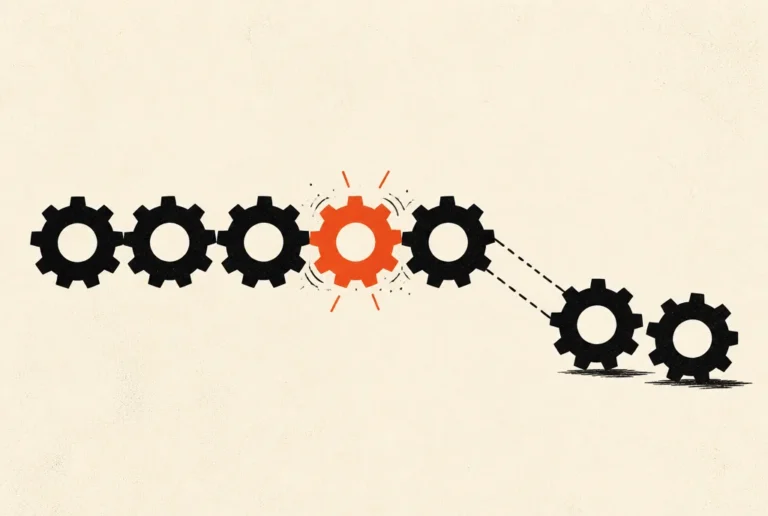
Facebook wasn’t broken. It had shown his ads to every single person in that little pocket about a dozen times. The frequency number was real, but it wasn’t the cause. The cause was that the pocket was small and he’d fished it out, and from what I’ve seen Facebook protects its users’ experience above your results, so it isn’t going to keep feeding the same tired message to the same people cheaply.
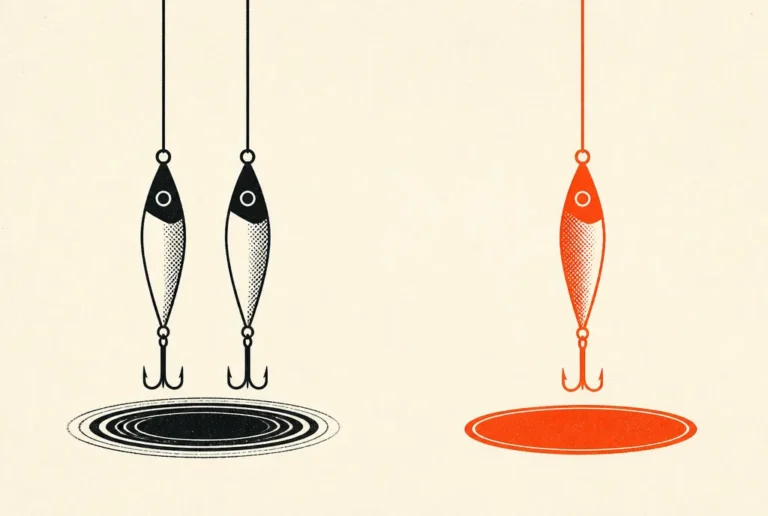
That’s why a creative refresh so rarely fixes a high-frequency account. Refreshing creative is changing the color of your lure. The fish in that part of the lake have already seen the lure. A new concept aimed at a different kind of buyer, one with a different reason for caring, is moving to another part of the lake. Those aren’t the same action.
If you want the fuller version of the market side of this, I went through it in how to tell ad fatigue from a broken offer.
Read it alongside the other signals
Frequency is one of five things I look at in Facebook ads before I call a concept done. The others are blended CPA rising across the account over about 30 days even after creative refreshes, engagement dropping while click-through rate holds steady (people clicking out of habit), cost per landing page view climbing faster than cost per click, and new creative inside the same concept failing to reset performance within about seven days.
Any one of those alone, I sit back and monitor. Three or more, and that concept has aged out.
That last signal is the one that settles the frequency argument. If you launch genuinely new creative in the same concept and a week later nothing has recovered, it wasn’t creative fatigue. The pocket is exhausted.
And if frequency is fine and the other signals are fine but sales still fell, go look downstream. A page change, a checkout change, a tracking problem. The ad account is often just where the pain shows up first.
When frequency really is the thing to act on
I don’t want to swing too far the other way. Frequency matters.
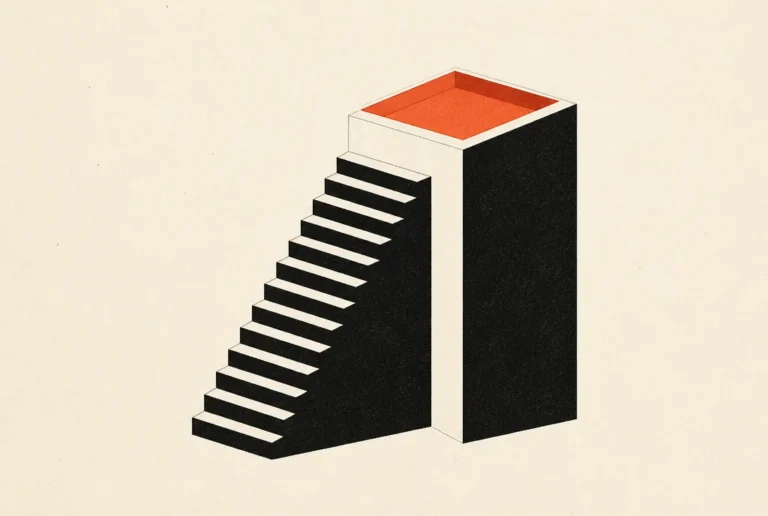
If a concept is above 3 to 3.5 across 30 days, and blended CPA is climbing, and engagement is fading while the click-through rate holds, that concept has done its job and it’s time to pause it. I’d come back to it in something like six to twelve months, when the pocket has had time to refill. In a small market, a rising frequency is also your earliest warning that you’re near the ceiling, which is useful to know before the CPA tells you the hard way.
What a high Facebook ads frequency doesn’t earn is the automatic “new images, new hooks” response. The number tells you people have seen you a lot. The fix depends on why they stopped caring, and that’s a concept and market question more often than a creative one.
What to do this week
Pull the last 30 days by concept, not by ad, and write down four numbers for each: frequency, reach, blended CPA this month against last month, and the engagement trend. If frequency is under about 2.5 and results still fell, stop looking at the ads and check the offer, the page and the tracking. If it’s over 3 and reach has flattened, don’t refresh that concept. Launch one new concept aimed at a buyer your current ads have never spoken to.
What is a good frequency for Facebook ads?
It depends on the audience. For a simpler mass-market audience I start paying attention around 2 to 2.5. Complex, research-heavy audiences can run higher because they need more exposure before they buy. Over 3 to 3.5 on a concept across 30 days, alongside other warning signs, is usually my point to pause that concept.
Does high frequency cause ad fatigue?
High frequency usually means you’ve reached most of the people that concept can reach, so it’s a symptom of an exhausted pocket more than a cause. That’s why new creative in the same concept often fails to recover it. A new concept aimed at a different type of buyer is the more reliable fix.
Should I turn off an ad set because the frequency is high?
Not on frequency alone. Check blended CPA over 30 days, engagement against click-through rate, cost per landing page view against cost per click, and whether new creative in that concept reset anything. If three or more point the same way, pause the concept. If only frequency is up, keep watching.
P.S. A frequency number is an average, so a 2.0 can still hide a core group that has seen you six or seven times. If reach has stopped growing while spend keeps going, that tells you more than the frequency column does.