Meta Ads
Why broad targeting beats your carefully built lookalike audience
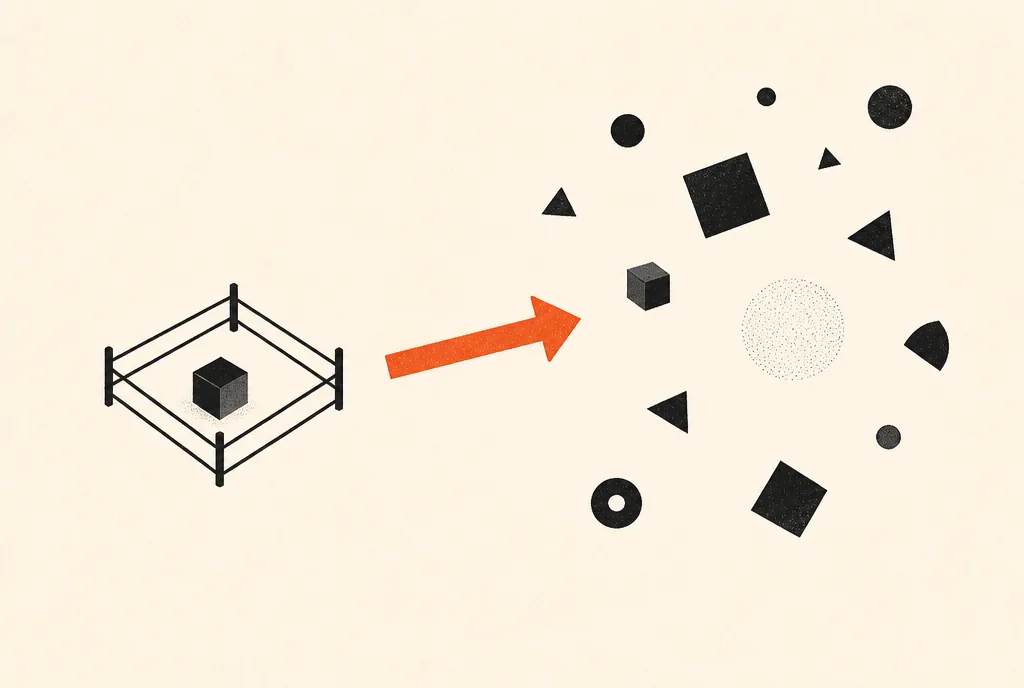
Short answerIn most of my accounts, broad (location, age and gender only) beats a hand-built lookalike because the targeting that matters now happens inside the ad. Your image and copy tell Meta who responds, and every ad that gets results builds its own audience of similar people. A lookalike mostly tells the system where to start looking, and in my accounts that hasn’t beaten letting the ad decide. It isn’t universal, so test it for a day or two of spend.
There’s a certain kind of pride people take in their audiences. A lookalike built off their buyer list, layered with a couple of interests, a few exclusions. It feels like expertise, because for a long time it was.
These days I don’t do lookalikes, I don’t do detailed targeting, and I barely touch custom audiences. In nearly every account I run, the targeting is location, age and gender, and that’s it.
I want to explain why, and also where I’d tell you to ignore me.
The targeting moved into the ad
The way I think about it, Facebook stopped reading your audience settings as the main instruction a while ago. It reads the ad.
Your image, your words, who’s in the picture, what problem you describe, what moment you describe it in. The system shows the ad, watches who stops and who acts, and goes and finds more people like them. Creative does the targeting, and copy closes the sale. I wrote a whole piece on how much of that the picture alone does in why your ad image is doing more targeting than your targeting is.
This is what makes a hand-built lookalike less necessary than it looks once you run broad targeting. When a particular ad (a particular Post ID) gets a lot of results, Facebook fine-tunes on the people who took action from it. It basically builds its own lookalike audience, just for that post. You don’t have to hand it a seed list. The ad makes one as it goes.
Meta’s own setup leans the same direction now. With their Advantage+ audience option, a lookalike you add is treated as a suggestion. Meta’s help pages say it will show your ads to people matching the suggestion, and to other audiences when it thinks that’s likely to improve performance.
What I saw with my own newsletter
I run a local newsletter here in Lancaster, Pennsylvania, and I run ads to get the subscribers. I noticed something odd. The places where I took the photos for the ads seemed to decide who signed up.
When I used pictures of the classic, older historic spots in town, I got subscribers who were mostly 55 and up. So I started shooting around the trendier places, the coffee shops, the spots where younger people actually hang out. Sure enough, younger subscribers started coming in, even though the cost to acquire them was slightly higher. Same offer. Same copy. No audience changes. The context baked into the photo did the sorting.
That’s what “broad” really means in practice. It doesn’t mean nobody is doing the targeting. It means your creative is.
Why a lookalike can make things worse
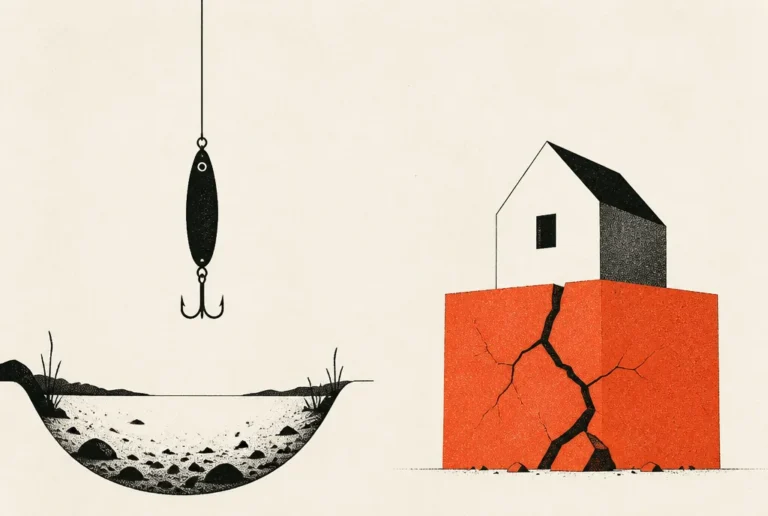
For the majority of campaigns I’ve run, the more I try to limit Facebook, the worse it works. Set up as a hard audience, a lookalike is a limit that broad targeting doesn’t have. It tells the system to stay inside a box you drew, based on who bought from you in the past.
And the way I grow accounts doesn’t need the box. A new pocket of buyers, to me, is a new emotional context, not a new lookalike or a new interest set. When I scale out, it’s with new concepts aimed at a different kind of buyer, and the concept is what finds them.
For me the result has been pretty lopsided. Over one three-year stretch I had maybe one account where detailed interest targeting actually worked better than broad. As far as I know, 2022 was the last time I had an account work with detailed targeting at all. Lookalikes went the same way: first I used them very little, now not at all. I predicted a while back that interest and lookalike targeting would likely get put out to pasture, and nothing in my accounts has changed my mind.
Broad only works if your ad can sort
This is the catch, and it’s where people who “switched to broad and it didn’t work” usually went wrong.
Broad hands the job of finding your buyers to your creative. If the creative is vague, nothing is doing the sorting. You’ll get cheap clicks from people who were curious and had no intention of buying, and the algorithm will happily go find more of them.
So the work doesn’t disappear when you go from a lookalike to broad targeting. It moves. Instead of building audiences, you’re building concepts that speak so clearly to one kind of person that the wrong people scroll past. I got into that in why relatable ads convert worse than specific ones.
If you’re struggling to reach a hard-to-target group, the answer I’d give is the same. Go to the Facebook groups they’re in. Read what they say, how they talk, what they’re feeling. Write to that. If you do it right, Facebook figures out who to send the ad to.
When I’d tell you to test it anyway
I truly don’t believe there’s one right way to run every account. Every ad account seems to behave like it has its own version of the algorithm, and what works in mine may not be what works in yours. I know people who do detailed targeting exclusively and it works fantastic for them. I’m not going to tell them they’re wrong while they’re getting results.
So treat broad as the default, not a religion. If you have a lookalike you believe in, give it a day or two of spend against broad targeting with the same ads and look at blended cost per purchase, not clicks. Let your account tell you.
There’s also one audience move I do still use, mostly in smaller markets. I’ll sometimes exclude people who have already clicked through to the sales page. That’s an advanced move for a specific situation, not a starting point.
And if your account is brand new and not profitable yet, don’t start by testing targeting at all. Get broad working with strong concepts first. Targeting, cost caps and bid caps are things to test once you have a foundation that makes money.
What to do this week
Take your current best ads and duplicate them into an ad set with only location, age and gender set, and nothing else. Give that broad targeting ad set the same budget as your lookalike ad set for at least two full days. Compare blended cost per purchase from your own sales numbers. Whichever wins in your account is your answer for now, and it’s worth rerunning every few months.
Do lookalike audiences still work on Facebook?
In some accounts, yes, but in most of mine broad targeting has done better. The ad itself now does much of the targeting, and ads that get results build their own audience of similar people. If you have a lookalike you trust, test it against broad for a day or two with identical ads.
What targeting should I use for Facebook ads?
My default is location, age and gender only, with the creative doing the rest. That works when the ad clearly speaks to one type of buyer. If your creative is vague, broad targeting will find curious clickers instead of buyers, so fix the concept before blaming the audience.
Why isn’t broad targeting working for me?
Usually because the ads aren’t specific enough to sort people. Broad hands the job of finding buyers to your creative. Check that the campaign is optimized for purchases rather than clicks or engagement, then make the ad clearly about one person with one problem so the wrong people scroll past.
P.S. If you change your targeting and your creative at the same time, you won’t know which one did it. Change one, wait two full days, then read the account.