Offers
Why nobody wants your course and everybody wants your checklist
Short answerAn online course usually isn’t selling because a course sells information, and most buyers already have more information than they use. What they want is to get past the one obstacle in front of them right now. A checklist, a template or a short diagnostic does one job for one person at one moment, gives a quick win, and is easy to say yes to. The course can come later, once they’re moving.
A lot of front end offers are really a full course with a small price tag stuck on it. Eight modules, forty videos, a community, a stack of extras. And the owner can’t work out why the online course isn’t selling at $27, when a simple checklist on the same topic would get snapped up.
That isn’t an accident, and it isn’t because people are lazy. It’s because the two things are selling completely different products, even when the topic is identical.
Information was never the gap
I’ve been the burned course buyer myself. I’ve probably been through ten different masterminds, countless small courses and a few mid-priced ones. And what I eventually figured out is that information was never really the problem. The doing was.
Your buyers are in the same spot. They’ve watched the free videos. They’ve bought a course or two before. Most of them know more than they’re using, which is a big reason an online course stops selling to them. So when your offer says “the complete system, 40 lessons,” what they hear is another login with a pile of videos they won’t get through.
I posted about this once and it got a lot of engagement, which tells me I’m not the only one who’s noticed. It’s bizarre to me that people will drop $2,500 on a group coaching program and then not even log in to watch the content or attend any calls. Strange to me. But it tells you something important about what people actually buy. They buy the hope of being done with the problem, not the content. When the content feels like more work, it sits there.
What the checklist is actually selling
A checklist (or a template, a script, a short diagnostic) isn’t selling better than the online course because it’s short. It’s winning because it’s aimed at exactly one obstacle.
The way I think about any front end offer is that its job is to get someone past the first obstacle on the way to the result they want. Not deliver the entire transformation. A $17 product that promises the entire end result isn’t believable anyway. A $17 thing that gets you past the first wall this afternoon is.
My definition of value is solving one problem for one type of person with one view of the world. A checklist almost has to work that way. There’s no room in it for everything, so it has to be about something.
When I built my own low ticket front end, I designed it as a diagnostic tool, not a course. Four short videos, about an hour all in, and a workbook with exercises they could run on their own account right away. The whole point was that someone could finish it the same day and know exactly what was wrong. That’s the checklist idea, even though it had video in it.
You’re selling implementation, not knowledge
Here’s the shift that makes this click. Past the very beginning, you’re not really selling knowledge anymore. You’re selling implementation.
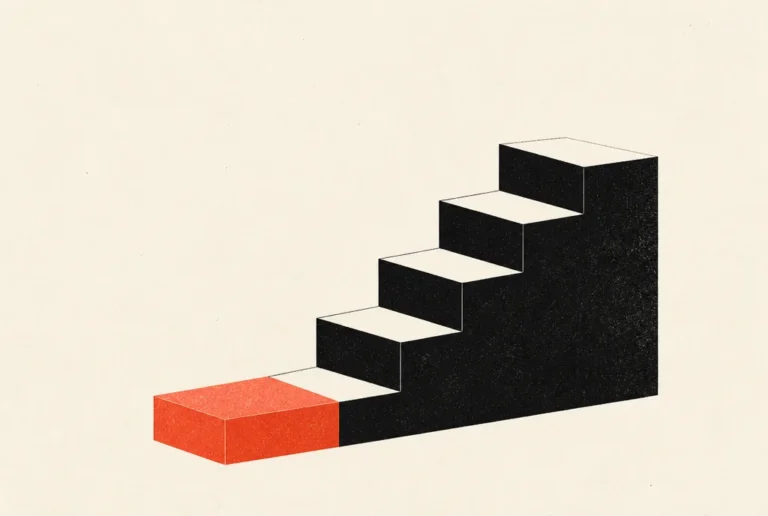
Every time someone buys something, it changes how they see themselves a little. The front end takes someone from thinking about getting started to “I’m on the road now, I’ve taken action.” Then they hit the next roadblock, and the next offer should be about that roadblock. A good offer flow is really just a series of roadblocks, each one removed at the moment it shows up.
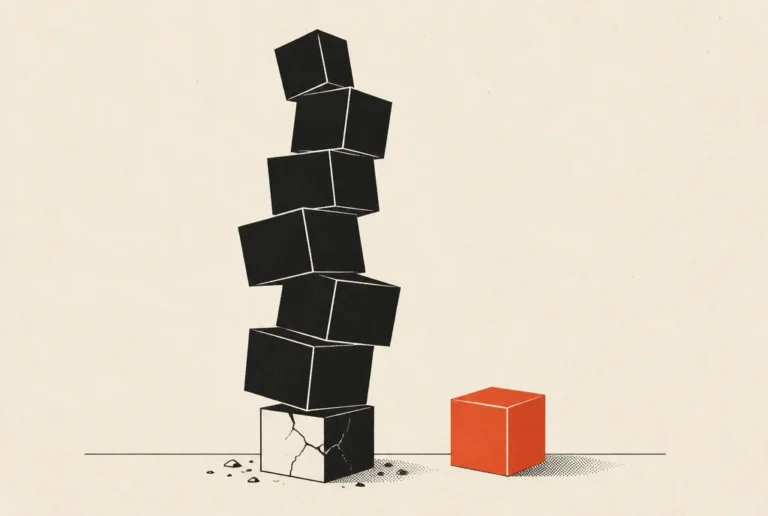
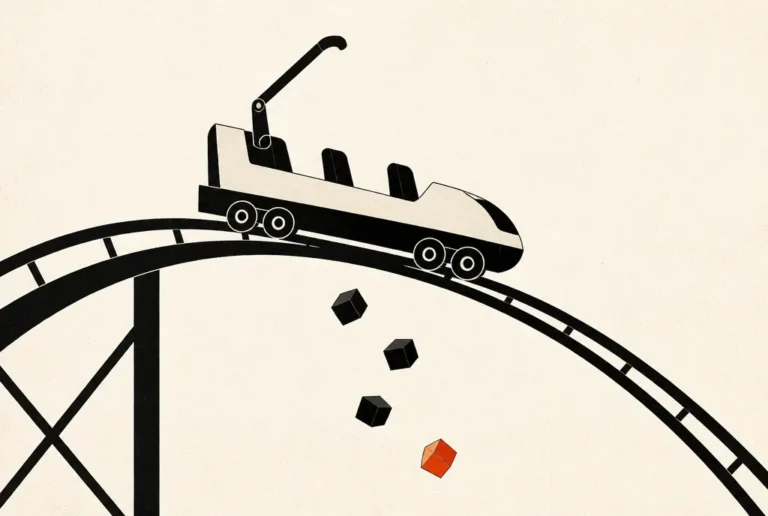
A course dumps every roadblock on them at once. That’s why it feels heavy at the checkout, and why so many people who buy one stall out halfway.
There’s a practical upside for you too. When a small offer gives someone a real result, they want to go deeper, and the natural next step is help doing more of it. That’s where the bigger program lives. I covered how to keep those layers from stepping on each other in how to build a front end offer that doesn’t cannibalize your backend.
When the course is the right thing to sell
I’m not anti-course. There are a few situations where the full thing is exactly right.
The first is when the buyer is further down the road. Someone who already got a win from your small offer and now wants the whole system is a different person from a cold stranger. They’ve seen it work. For them the bigger program isn’t more information, it’s going deeper with you and making sure they can’t mess it up.
The second is when the course is sold as the outcome, not as the content. Nobody wants twelve modules. People will pay for the result those twelve modules get them, with the support to actually get there. If your online course page leads with the module count, you’re selling the wrong thing.
And a warning for the checklist crowd. A checklist that tries to hold your entire method is just a course formatted as a PDF. If it runs to 30 pages, you’ve missed the point. Keep it to the one obstacle.
What to do this week
Write down the single biggest obstacle your buyer runs into right before they’d need your main offer. Then build the smallest thing that gets them past only that obstacle: a checklist, a template, a script, a short diagnostic. If they can finish it and use it in one sitting, you’ve got a front end. If they can’t, cut it in half and check again.
What is the best format for a low ticket offer?
Whatever gets one type of buyer past one specific obstacle quickly. That’s often a checklist, template, script or short diagnostic training rather than a full course. The format matters less than whether someone can use it right away and get a first win. Name it after the outcome, not the format.
Why isn’t my online course selling?
Often because it’s sold as information to people who already have plenty. If the page leads with modules and hours of video, buyers see more work. Try leading with the outcome, or pull out the one piece that solves their most urgent obstacle and sell that first as a smaller front end.
Should I turn my course into a smaller product?
For cold traffic, often yes. Take the part that removes the first obstacle your buyer faces and sell it on its own at a low price. Keep the full course for people who have already used that first piece and want to go deeper with you.
P.S. A useful test: ask a customer which single page or lesson of your course they actually used. Whatever they name is probably your next front end.