Ad Creative
How to get ten genuinely different ad concepts from one offer
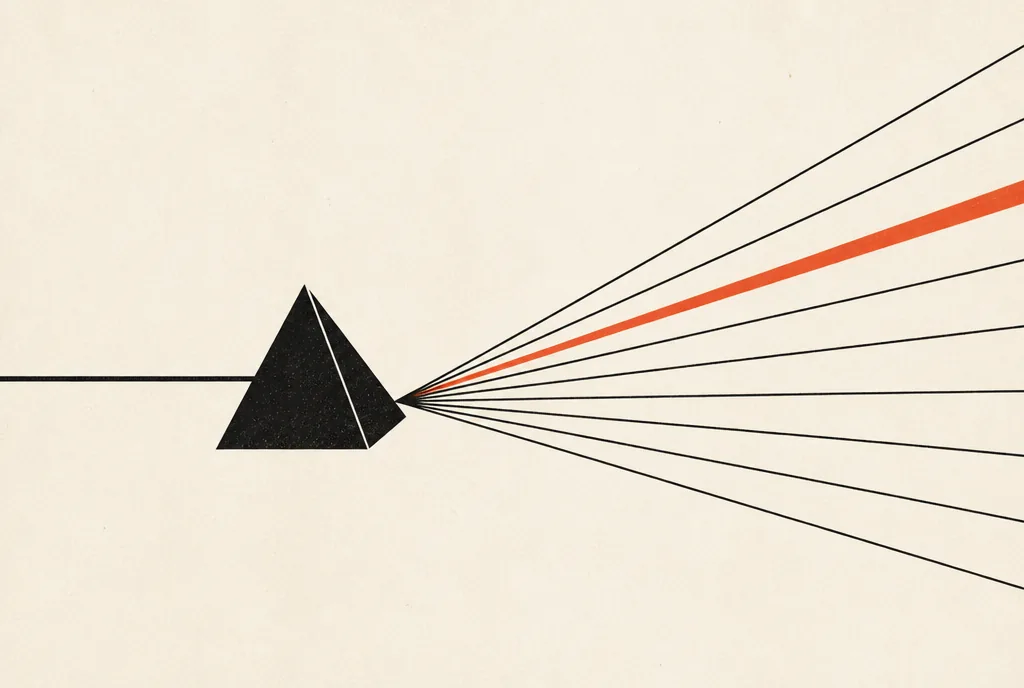
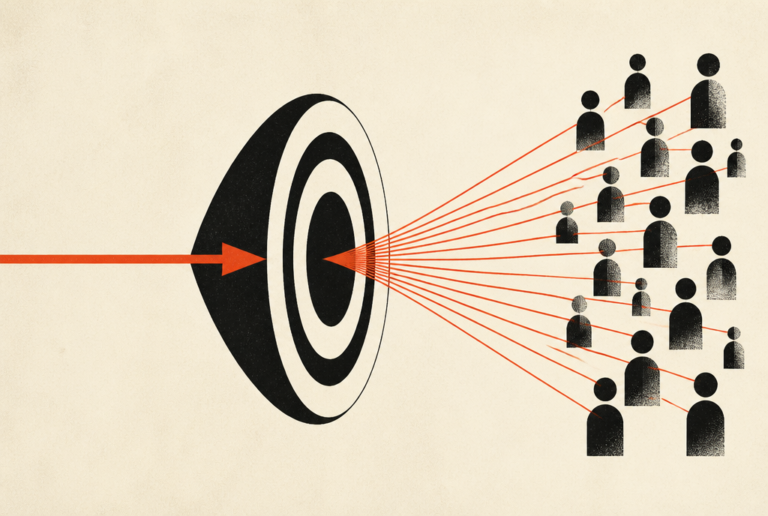
Short answerStop varying the ad and start varying the buyer. Lock down who the offer is for, the real problem and your solution. Then find different people inside that market: people at different points on their timeline, people held back by different constraints, and people who see the problem through a different lens. Each distinct person with a distinct belief is a concept. Ten Facebook ad concepts means ten different buyers, not ten headlines.
When people try to come up with ten Facebook ad concepts, they usually come up with one concept and ten ways of saying it. Ten headlines, ten images, maybe a video. It feels like variety.
It isn’t, and the account knows it isn’t. If the same person would respond to all ten, you’ve made one bet ten times.
So the trick to getting ten genuinely different concepts isn’t more creativity. It’s a process that forces you to look at different people. Here’s the one I use.
Step one: lock the three things that don’t change
Before any concept, I pin down three things, and they stay fixed across all ten. Who is the audience (what they want, what’s stopping them, how life changes when they get there)? What’s the real problem, not the surface complaint? And what’s your unique solution to it?
These are the offer. The concepts are different doors into it. If these three keep shifting while you brainstorm, you’ll end up with ten concepts for ten different offers, which is its own mess.
Step two: walk the timeline
Everyone buying your thing sits somewhere on a timeline between having the problem and getting the result. Where they sit changes what they need to hear.
I use my own weight loss as the example. I went from about 200 pounds down to the 160 to 170 range over a year and a half or so, bounced back a bit on vacation, and got back to about 165. If I’d been at the very beginning, the message that would’ve grabbed me was how to lose the first five pounds. Where I am now, it’s how to take those final few pounds off. Same product could serve both. Completely different concepts.
So map your buyer at three or four points. Just realizing they have the problem. Early, trying things. In the middle, worn out and losing momentum. Close to the goal and stuck on the last stretch. Each of those can carry its own concept, so that’s up to four Facebook ad concepts from the timeline alone. My default is to aim at people actively in the problem, early to mid, who haven’t locked in a solution yet, because that group is bigger and less jaded. But the other points are fair game once you have a winner.
Step three: map the five constraints
Next, list what’s stopping people from buying. There are five categories I use: identity (“this isn’t for someone like me”), values (“I don’t want anything shady”), beliefs (“this can’t work”), experiences (“I tried this before and got burned”), and resources (usually time, sometimes money).
Different slices of your market get stuck on different ones. A concept built around the person who’s been burned before is a different ad, for a different person, than a concept built around the person who thinks they’re not the type. Each constraint you can speak to directly is a candidate concept, because the concept that removes a constraint pulls in the people that constraint was holding back.
Step four: run the lenses
Then I look at the problem through a set of lenses. The ones I lean on: speed and ease, the emotion behind the problem, their worldview, the future version of themselves, their limiting beliefs, what others think of them, the everyday symptoms, why the problem really exists (the problem mechanism), why your solution is the natural fix (the solution mechanism), sub-groups with their own niche problems, and trends or timing.
Don’t run all of them like a checklist. For any one market, usually four or five of them carry the weight, and the research tells you which ones. When I ran my research process on an ADHD productivity offer I was building, the lenses that mattered most were problem mechanism, emotion, worldview and solution mechanism. The concepts it produced had names like “Planner Graveyard,” “11 PM Optimist” and “Shame Tax.” Each one was aimed at a different version of the same buyer.
Sub-groups are the easiest lens to underrate. “Carpet cleaners” is a concept. “Small businesses” is a shrug.
A made-up example, start to finish
To show how fast this multiplies, here’s an invented offer (not a client). Say you sell a program that helps busy dads get back in shape at home.
From the timeline: the dad who just saw a photo of himself and wants to lose the first ten pounds, and the dad who’s already lost thirty and is stuck. From the constraints: the dad who’s tried three programs and quit every one, the dad who thinks gyms aren’t for guys like him, and the dad who has no time before the kids wake up. From the lenses: the dad whose real fear is not keeping up with his kids (emotion), the dad who believes it’s all genetics after 40 (worldview), the dad who’s tired of his wife making comments (social perception), the dad whose back hurts every morning (symptoms), and the shift worker whose schedule breaks every normal plan (sub-group).
That’s ten. Each one needs a different buyer to respond, which is the test that matters.
Step five: pressure-test each one before you spend on it
Run every concept through the question I use to separate a concept from a hook: does this need a different type of buyer to respond, or would the same buyer respond to both? If two of your ten Facebook ad concepts fail that test against each other, merge them. I wrote more on that in the difference between an ad concept and an ad hook.
Then two more checks. Can you describe the person in one or two sentences so specifically that someone like that would recognize themselves? And do you have proof for it, real language from real people in that spot? A concept without proof is just a guess.
Step six: launch them as separate bets
Each concept gets its own ad set, with four or five ads inside it that are different hooks or creatives on that one concept. Don’t mix concepts inside an ad set. It muddies the signal about who the ads are for, and the creative is doing most of your targeting anyway.
And set your expectations. The very best marketers and media buyers in the world only have a 15 to 20% success rate, including me. Out of ten Facebook ad concepts, most won’t hold. Often one pulls ahead of everything else. When that happens, don’t wander off to the next shiny idea. Write more ads on it and work that pocket before you move on.
What to do this week
Take one offer and write the three fixed things at the top of a page. Underneath, write four timeline points, then the five constraints, then four or five lenses you think matter in your market. Turn each line into one sentence describing a specific person. Cross out any two that the same buyer would respond to, and pick the three strongest to launch as separate ad sets.
How many ad concepts should I test at once?
It depends on budget, but more genuinely different concepts beats more variations of one. I put each concept in its own ad set with four or five ads. Since even the best marketers only land a minority of concepts, testing several at once gives you a real chance of finding one that pulls ahead.
What’s the difference between a new concept and a new ad?
A new concept needs a different type of buyer to respond: a different point on their timeline, a different constraint, or a different belief about the problem. A new ad on the same concept is a new hook, image or body copy that the same buyer would respond to. Both are useful, for different jobs.
Where do ad concepts come from?
From research into the buyer, not from brainstorming headlines. Look at where people sit on the timeline, what constraints stop them, and how they see the problem. Real language from reviews, comments and forums gives each concept its proof and keeps it from being a desk invention.
P.S. If you get stuck at six or seven, go back to the constraints. The people who’ve been burned before and the people who think it isn’t for them are almost always two separate concepts, and they’re easy to skip when you’re only thinking about the obvious buyer.