Ad Creative
Why your UGC ads stopped working (it was never the format)
Short answerIn my experience the format didn’t stop working. What wore out is using user generated content as a substitute for an idea. Ten creators reading the same script to the same buyer is one concept in ten outfits, and the delivery system treats it that way. What works for me instead is new concepts, each aimed at a different type of buyer, with UGC as just one way to dress them.
Every few months somebody announces that UGC is dead. Usually right after they’ve paid for a batch of creator videos that all flopped.
I get the frustration. But I don’t think the format died, and I’d be careful about anyone who tells you a format died. What I’ve seen wear out is a specific habit: buying more UGC whenever results drop, as if more faces saying the same thing adds up to something new.
So let me be straight about where I stand, because “UGC stopped working” is the question people type, and it isn’t quite my position.
The outfit and the person wearing it
The distinction I lean on for almost everything in ads is concept versus creative.
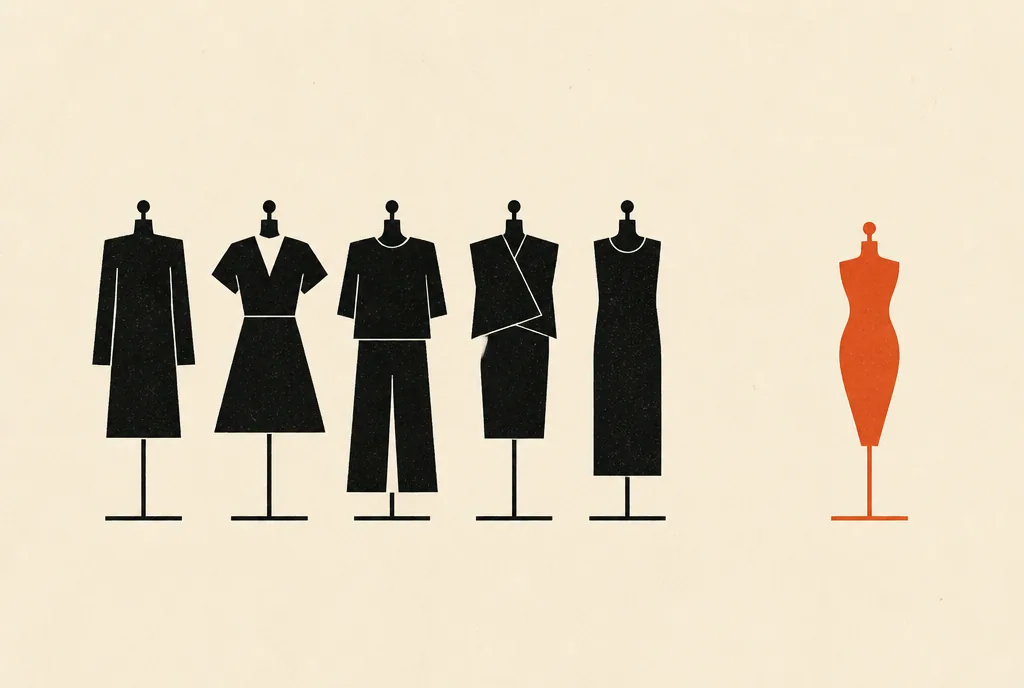
A concept is a hypothesis about one specific person with one specific problem, at one point in their thinking, with one worldview about all of it. The creative is the image, the video, the headline, the format. The creative is the clothes. The concept is the person wearing them. And in my read, Facebook matches the person, not the outfit.
UGC is an outfit. A good one, sometimes. But a creator on a phone camera saying your script is still delivering whatever idea the script contains. If the idea is tired, a fresh face doesn’t make it new.
I learned this about my own account before I ever taught it. I’d been testing like crazy for what felt like a year, and when I finally ignored the creative and looked at the idea sitting underneath each ad (the person, the moment, the worldview), I found I had two or three ideas wearing thirty different outfits. I felt sick for about ten minutes. Then I felt more relief than I had in a year, because if my testing was fake, my failure was fake too.
Why a stack of UGC ads is often one ad
Here’s the test I use on any new ad. Does this need a different type of buyer to respond, or just a different visual? If it needs a different buyer, it’s a new concept. If the same buyer would respond to either version, it’s a creative variation.
Run your UGC library through that. Most batches I see are the same pain, the same promise, the same person, filmed in different kitchens. That’s the “creative diversity” everyone preaches, and I’ve never heard anyone define it in a way that means anything. What moves an account is diversity in who the ad is for.
So when a UGC batch stops working, it usually hasn’t failed as UGC. It’s failed as a concept that already found its buyers. The pocket of people that idea speaks to got used up, and more versions of the same idea just keep casting into the same spot. If the concept versus hook distinction is new to you, start here, because everything else builds on it.
What I actually use instead
When I start a new account, I work out who the best buyers are, what they want, what’s holding them back, and three to five genuinely different concepts to go after them. Then I write the best five to ten ads I can and usually deploy them with an image first.
The images are simple. I like to show the spokesperson, the founder, or the ideal prospect, with a plain headline in text on the image. The two kinds of creative I see working most are text-based images, where the image states what the thing is, and outcome visuals, where the buyer sees someone who looks like them doing the thing they want to be doing.
That second one is worth dwelling on, because it’s what good UGC was always doing when it worked. The viewer sees someone like them in a situation like theirs and thinks, that’s me. That’s context. The context in an ad (who’s in it, where they are, what their life looks like) does a lot of the targeting. When UGC works, that’s usually why. When it’s a generic creator in a generic apartment, there’s no context in it for the system to match on.
And the thing that actually replaced “more UGC” in how I work is more concepts. When an account plateaus, my first question isn’t what format to try next. It’s which type of buyer we haven’t spoken to yet. I walked through how to find those in getting ten different concepts from one offer.
When UGC is still the right call
I’m a noted video ad hater, so take my bias into account. I default to statics, and my experience is that a lot of video ads run great for a couple of weeks and then drop off, while the same idea as a static can run for months. That bias bites me sometimes.
Because I’ve also had Reels, run on Instagram only, do very well for me. Despite everything I just said about video. So I don’t treat it as a rule, I treat it as something to test.
UGC earns its place when the person on camera is part of the concept. They look like your buyer, they’re in your buyer’s actual situation, and they’re saying something your other ads don’t say. It also earns its place when someone is genuinely charismatic on video. If the founder or a customer has that, I’ll test it.
Where I draw a line is fake creators. We use AI to make images, and I’m fine with that. But AI-generated “customers” or deepfake spokespeople presented as real people, I’m personally not comfortable with, and I don’t run them. If the whole point of UGC is that a real person like you is vouching for it, faking the person defeats the point.
What to do this week
Line up every UGC ad you’ve run in the last 90 days. Next to each one, write one sentence: who is this for, and what do they believe right now? Then count how many different sentences you actually wrote. If thirty ads collapse into two or three, don’t order more creator videos. Write one new concept aimed at a buyer none of those sentences describe, and test it as a simple image with a headline first.
Is UGC still effective for Facebook ads?
It can be. UGC works when the person on camera matches your buyer and the ad carries a concept your other ads don’t. It stops working when it’s used to produce many versions of the same idea. The format isn’t the problem. Running one concept in many outfits usually is.
Should I use AI avatars for UGC ads?
I don’t. Using AI to make images is fine with me, but presenting AI-generated people as real customers or spokespeople is something I’m not personally comfortable with. UGC is meant to feel like a real person vouching for the product. If the person isn’t real, you’re borrowing trust you haven’t earned.
How many UGC creators do I need?
Fewer than you think, if each one is doing a different job. Count concepts, not creators. Three creators each speaking to a different type of buyer beats fifteen creators reading one script. Start with the concepts, then decide which of them actually needs a person on camera.
P.S. If a UGC ad is working, don’t kill it just because it’s old or you’re sick of looking at it. Leave it at a reasonable budget and put your energy into the next concept.