Copywriting
Why the second email in your sequence matters more than the first
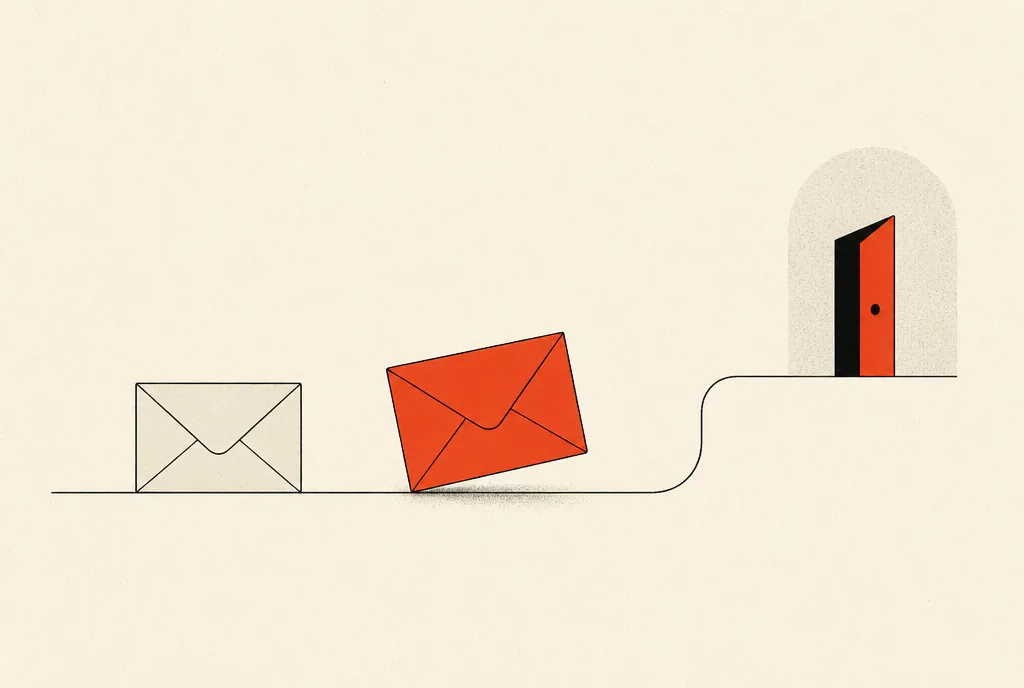
Short answerThe first email in a sequence mostly gets opened on momentum. People just signed up or bought, and they’re waiting for the link, the login or the replay. The second email in the sequence is the first one they open because of you, and it’s usually where the real argument starts. If it’s a filler “just checking in,” the maybe they gave you quietly turns into a no.
Most people pour everything into the first email. The welcome, the story, the big promise, the pitch, all crammed into the one email they’re sure will get opened.
I understand why. It’s the email with the best open rate in the whole sequence. But that open rate is flattering you, and it leads people to treat the second email in the sequence like an afterthought.
I think it’s the other way around, most of the time.
Why the first email gets a free pass
Think about why someone opens the first email. They just opted in, registered or bought something. They’re expecting a delivery. The link to the thing, the login, the replay, the receipt.
That open isn’t a vote on your writing. It’s a person looking for the thing they asked for. You could send a nearly blank email with the link in it and it would get opened.
So a strong first-email open rate tells you people wanted what they signed up for. It doesn’t tell you they want to hear from you again.
The second email is the first one they choose
By the second email in the sequence, the momentum’s gone. They have the thing. Now your name is sitting in their inbox next to everything else, and they decide whether it’s worth opening.
That’s also the point where the buyer’s mind is most up for grabs. When someone buys a front-end product or books a call off an ad, they aren’t really saying yes. They’re saying maybe. They don’t know you well enough to say yes yet. They say yes after they’ve had a good experience on the other side. The sequence is where that happens, and the second email is where it either starts happening or doesn’t.
You can see this in how I lay out my own webinar follow-up. The first email goes out a couple of hours after the event, and it’s short. Thanks for coming, here’s where to see the details. That’s all it needs to do. The next one, the following day, is where the actual argument begins: why nothing they tried before held, and where the real problem was sitting. The no-show track works the same way. The first email is basically “here’s the replay,” and the second is the first real idea.
An email is a sales page broken up over time. The first email is the headline and the link. The second is where the page actually starts making its case.
What the second email has to do
The second email in a sequence has one job: give them a reason to believe the thing they just said maybe to. Not three reasons. One idea, one belief moved, one action.
A few ways I approach it.
Make the argument they didn’t get to hear yet. If the first email delivered the product, the second can name the real problem underneath their problem, or the thing they probably tried before and why it didn’t work. Pick the belief that’s most in the way and go after that one.
Get them using what they bought. There’s a strange bit of psychology here. When people buy something, part of their brain decides the problem is solved, even though they haven’t opened it. That’s a big part of why completion rates on products are so low. The second email is a good place to point them at the one piece to use first, because a buyer who gets a small win is the buyer who says yes to the next thing.
Meet them where they actually are. One version I like: ask them to click the statement that best describes their situation, then send each click to a page or a follow-up written for that situation. When you react to what people do inside an autoresponder, you get better results than sending everyone the same thing.
And end it with a reason to open the third. I use the P.S. for that a lot, teasing what’s coming next rather than repeating the pitch. There’s more on that in why the P.S. outperforms the rest of the email.
What the second email shouldn’t be is “just checking in” or a rerun of email one with a new subject line. Repetition in a sequence is good and honestly needed, but it’s repetition of the point, not of the same email.
When the first email really does matter more
There are two situations where I’d put the first email ahead.
The first is deliverability. If the first email lands in spam, the second one probably does too, and nothing I said above matters. I’ve asked for a quick reply in early emails for a long time, because my understanding is a reply tells the inbox providers you’re a real sender someone wants to hear from. That’s a first-email job.
The second is delivery itself. If someone paid for something, the first email has to get them into it cleanly. A broken login link or a confusing download creates a refund request before your second email ever gets a chance. Buy your own product and check that email on your phone.
So the first email has to work. It just doesn’t have to persuade. That’s the job of the second email in the sequence, and it’s the one most people write last and fastest.
What to do this week
Open your welcome or post-purchase sequence and read the second email by itself, as if you’d never seen the first. Ask one question: what belief is this email trying to move? If you can’t name one, rewrite it around the single belief most likely to stop someone from buying the next thing, and finish it with a P.S. that gives them a reason to open email three.
How soon should the second email in a sequence go out?
Usually within about a day of the first. You want it to arrive while they still remember signing up or buying, but after they’ve had a chance to get into the first thing you sent. For webinar follow-ups I send a short email a couple of hours after, then the first real argument the next day.
What should a welcome email sequence include?
A first email that delivers what they signed up for and asks for a quick reply, then emails that each move one belief: the real problem, why past attempts failed, proof, and a reason to take the next step. One idea and one action per email. Each email should give them a reason to open the next one.
Why do my email open rates drop after the first email?
Because the first open was driven by the thing they asked for, not by interest in you. From the second email on, people open because the last email was worth it. If opens fall off hard after email one, the fix is usually making email two more useful and specific, not a cleverer subject line.
P.S. If you only have time to improve one email in your whole sequence this month, pick the second one. It’s the first real test of whether people want to keep hearing from you.