Copywriting
Why short copy is not the opposite of long copy
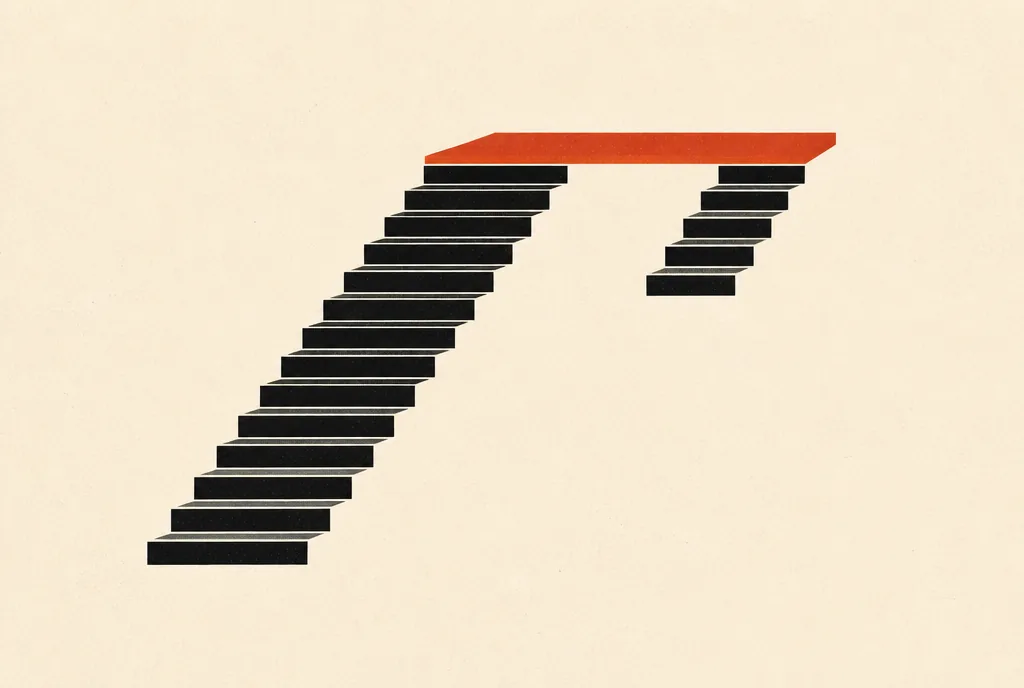
Short answerShort copy and long copy do the same job: move one reader through one argument to a click. Long copy walks a cold reader through the steps they haven’t taken yet. Short copy works when the reader has already taken most of them. So the real question isn’t “long or short,” it’s how many steps this reader still needs. The opening, the one big idea and the sequence stay the same either way.
Somebody I’d written ads for once asked me over Messenger, “You see that long copy works better?” My answer was two words: “Pretty much always.”
That’s a little glib, and I’ll be more precise in a second. But the question itself is the interesting part, because it treats long and short like two teams. Pick one, test it against the other, crown a winner.
I don’t think they’re opposites at all. I think short copy is what long copy looks like when the reader has already done most of the walking.
What long copy is actually doing
Here’s the precise version. In my testing, long copy wins about 80% of the time. When I say long, I mean roughly 400 to 650 words. Short means about 100 to 150 words or less.
Long wins because it can take someone through the stages of awareness (not because people love reading). You grab their attention, get them to agree there’s a real problem, show them why what they tried didn’t work, introduce the idea that does, and then ask for the click.
A cold reader who has never heard of you needs every one of those steps. Skip one and they fall off at the gap.
So long copy isn’t “more copy.” It’s more steps. And the length is just a side effect of the reader needing them.
Short copy is long copy with the finished steps taken out
Once in a while, especially with a really mature audience, you can put short copy up and just get results. I see a lot of people doing that.
That works because a mature audience has already walked most of the path. They know the problem. They’ve tried the usual fixes. They might already know you. They don’t need the middle of the argument. They need the promise and a reason to click today.
So the short version isn’t a different ad. It’s the same ad with the steps they’ve already taken removed.
Which means the parts that matter most don’t change at all between the two. The first two lines still decide whether anyone reads on. There’s still one big idea, never two or three crammed in. And the sequence still matters more than the prose. When it comes to copy, sequencing is more important than quality and good writing. As long as the sequence is right, the copy can be fairly mediocre and still work.
That’s also why I’d write the long version first. If you can’t write the full argument, you can’t know which steps are safe to cut.
How long copy goes wrong
Long copy has its own failure modes, and they’re worth knowing because “just write more” isn’t the fix.
Past about 650 words, I see diminishing returns, and a longer ad can actually open up more opportunities for them to say no. Every extra paragraph is another place for a doubt to form.
The other trap is confusing long with deep. On cold traffic, people need to grasp each part within a few seconds. They scan, they grasp, they scan, they grasp. The deeper and more technical you go, the lower the conversion tends to be. Nobody wants process on the front end. They want to understand. The detailed process belongs later, in the upsells and the product itself. (A well-named mechanism helps here, because it lets you say what’s different without walking through every step.)
And the classic one: over-explaining the solution. I like to spend about 80% of an ad on the problem and the emotion behind it, and about 20% on the solution. Explain the mechanism all the way down to the bolts and you dissolve the tension that made them want to click in the first place.
How short copy goes wrong
Short copy fails in the opposite direction. It cuts steps the reader still needed.
I learned this on my own Facebook profile. I once posted a one-line version of a contrarian take, basically “creative diversity means nothing, change my mind.” It got one engagement. The long-form version of the same argument, with the reasoning intact, got 70.
Same opinion. The short one just asked people to agree with a conclusion they had no reason to accept yet.
Funny enough, on that same profile my short personal posts, a sentence or two about something real going on in my life, tend to reach more people than almost anything else. They don’t need to persuade anyone of anything, so there are no steps to skip.
That’s the pattern. Short works when there’s nothing left to argue. It fails when you’ve trimmed the argument and kept the conclusion.
When short really is the right call
To be fair to short copy, there are situations where I’d start with it.
A warm, mature audience that already knows the problem and the solution is the obvious one. A straight book-a-call offer can be another. One example I’ve used is a call-booking service sold with a video explaining it, almost no ad copy, and people sent straight to a calendar. The video was doing the walking.
For a local small business, it’s okay to start with more generic, shorter copy. Just know that it tends to fizzle out, and when it does, you’ll need to go more in-depth, more medium to long form, more about who the reader is and what they’re living through.
Anyways. The honest answer to “should I test long against short” is yes, test both. Just test them as two versions of one argument, not two different ideas. Otherwise you’ll never know whether the length or the idea made the difference.
What to do this week
Take your best performing long ad and write a short version of it underneath: keep the exact first two lines, keep the one big idea, and cut every paragraph whose job is a step you think this audience has already taken. Run it next to the original with the same image, give it two full days, and see which steps your audience actually still needed.
How long should Facebook ad copy be?
For cold traffic, my default is roughly 400 to 650 words, which wins about 80% of the time in my testing because it walks people through the stages of awareness. Past that I see diminishing returns. Mature audiences that already know the problem can do well on 100 to 150 words. Test both versions of the same argument.
Does anyone actually read long Facebook ads?
In my experience, the right people do. Most people only see the image and the first couple of lines before “See more,” and those lines decide who opens the rest. The people who tap are the ones the ad is for, and they’re the ones who need the full argument before they’re ready to click.
Is short copy better for warm audiences?
Often, yes, because a warm or mature audience has already taken most of the steps long copy exists to walk people through. They know the problem and may already know you. Keep the same opening and the same single idea, just drop the steps they’ve already done.
P.S. If you find yourself padding an ad to make it “long,” stop. Length that isn’t carrying a step the reader needs is just another place for them to say no. Saying less, with more truth baked into it, usually hits harder than saying more. That’s true at 100 words and at 600.