Offers
Why bonuses make a weak offer weaker
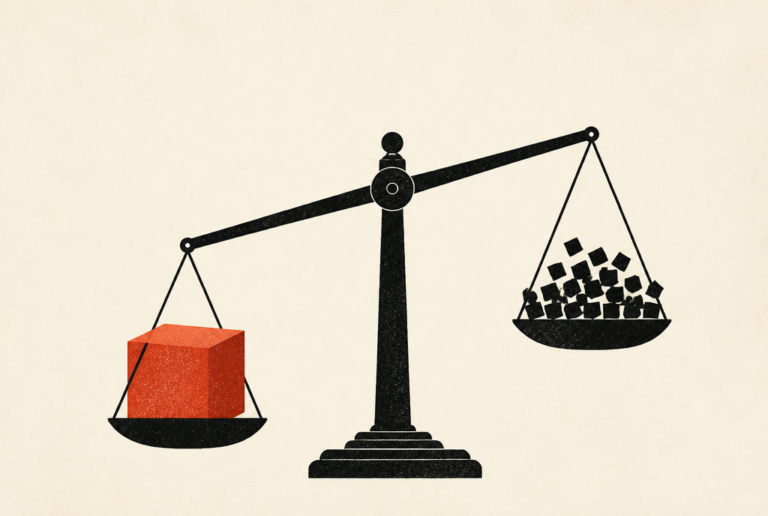
Short answerWhen the core offer doesn’t land, bonuses give the buyer more things to evaluate, blur the one idea that needed to get through, and quietly signal that the main thing isn’t enough on its own. None of that fixes why they weren’t buying. A bonus helps when it removes one specific constraint on an offer that already sells. Fix the core first, then add.
When an offer isn’t converting, the fix people reach for first is usually to add stuff: a template pack, a private group, a call, a second course they had lying around.
The stack gets taller. The conversion rate, most of the time, doesn’t move.
I get the instinct. It feels generous, and it’s a lot easier than admitting the main offer has a problem. But I think a stack of bonuses on a weak offer usually makes it weaker, and here’s my reasoning.
What “weak” usually means
When I say an offer is weak, I almost never mean the product is bad. The product is often great.
It usually means one of a few structural things. The offer is aimed at the wrong moment in the buyer’s life. The mechanism isn’t clear, so the buyer can’t tell how this is different from what they already tried. The ask is too big for how much trust exists. Or there’s a constraint holding them back that nobody has dealt with, like “I’ve been burned before” or “I don’t have time for this.”
Look at that list and ask which of those a bonus fixes. A template pack doesn’t make a muddy mechanism clearer. A private group doesn’t move the offer to the right moment. A free call doesn’t lower the trust bar for a stranger. If anything, it raises it, because now they’re agreeing to more.
This is the same reason I push people to work on the offer before the ads. Everything flows downstream from the offer, and bonuses sit downstream too.
Three ways the stack makes it worse
It gives them more to evaluate
Clear, clean, easy to understand messaging is what gets the sale on a front-end offer. No fancy language, no jargon, no nonsense.
Every bonus is another thing the buyer has to understand, value and believe. If they weren’t sure about the main thing, you’ve just given them five more things to be unsure about. The one idea that needed to land is now sitting in a pile of other ideas.
It turns an outcome into a list of features
People buy outcomes and transformations. They don’t buy what it does. They want to become someone.
A tall bonus stack pulls the buyer’s attention off the outcome and onto the parts list. Now they’re counting modules and templates and comparing your features against somebody else’s. That’s a fight you don’t want to be in, especially on price.
On a low-ticket front end there’s an extra problem. The front end should introduce your big idea and genuinely get them a result, without giving away the entire farm. Stack it with everything you own and you’re promising the whole road from problem to result in one small purchase, which is a mistake in its own right and makes whatever you sell next harder.
Some bonuses make people suspicious
I’ve told students to stay away from things like the free vacation offers, because no one believes them. I said something similar a couple of years before that about vacation-voucher bonuses: I don’t know if I ever had one person take me up on one, and people were always kind of leery of them.
That’s the risk with any bonus that feels bolted on. The buyer starts wondering why you need it. If the main offer were strong, why is there a free trip attached? A bonus that looks like a bribe reads like a bribe.
When a bonus actually helps
A bonus earns its spot when it removes a specific constraint, meaning one thing that’s stopping this buyer, not “adds value” in general.
One example I like isn’t technically a bonus. It’s a cologne brand I love, Goldfield & Banks, which sold a trio of three samples for $135, when one full bottle runs about $240. It’s less risk. If you’re not sure which scent you’ll like, maybe two out of the three you really like and you didn’t spend quite as much. That structure answers one constraint dead on (the fear of paying full price for the wrong thing) and it doesn’t clutter anything.
That’s the test for any bonus. Which constraint does it remove? If you can name it, and it’s one your buyers actually have, it might belong. If you can’t, it’s decoration. I walk through finding those constraints in how to map the five constraints stopping someone from buying, and it’s worth doing before you add anything.
The honest exception
On a strong offer, bonuses can absolutely help. When someone views the perceived value as higher than the real value, that’s where the purchase is made, and a relevant bonus raises perceived value.
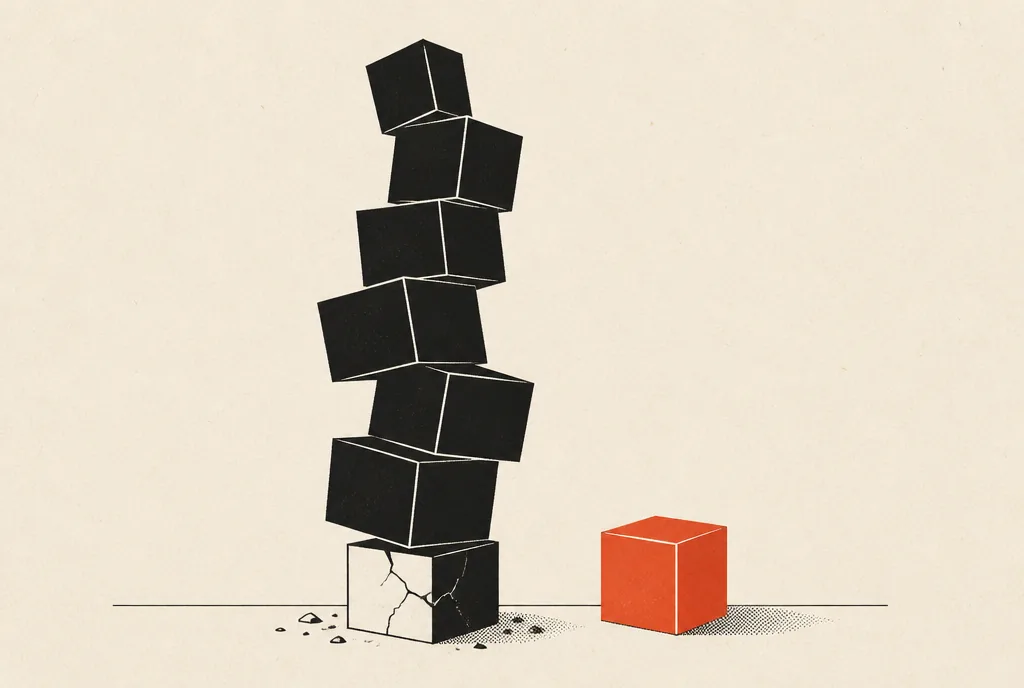
The difference is what the bonus is sitting on top of. On an offer that already converts, a bonus can nudge people who were close. On an offer that doesn’t, it’s more weight on something that couldn’t stand up to begin with.
So I’d keep it focused. Not too few pieces, but not too many either, and every one of them pointing at the same outcome.
What to do this week
Write your offer’s pitch in one to three sentences, with every bonus removed. If you can’t say it in one to three sentences, the offer isn’t dialed in yet, and that’s where your week goes. If you can, go back through your bonuses one at a time and write next to each the specific constraint it removes. Cut any bonus you can’t write a constraint for.
Do bonuses increase conversion rates?
They can on an offer that already sells, because a relevant bonus raises perceived value. On a weak offer they usually don’t, because they add more things to evaluate without fixing the real reason people aren’t buying, like an unclear mechanism or an unmet constraint.
How many bonuses should an offer have?
As few as it takes to remove the constraints your buyers actually have. I’d rather see two bonuses that each answer a specific concern than eight that pad the stack. If you can’t say which constraint a bonus removes, it probably doesn’t belong.
What makes a good bonus for a low-ticket offer?
One that helps the buyer get the front-end result faster or with less risk, like a quick-start resource or a way to try it without committing to everything. Avoid stuffing the front end with your whole catalog, which promises too much and makes your next offer harder to sell.
P.S. If you’re tempted to add a bonus because the offer “needs more value,” try taking one away instead and rewriting the main promise. It’s a much harder exercise, and it usually tells you more.