Funnels
How to sequence a sales page so belief builds before the price appears
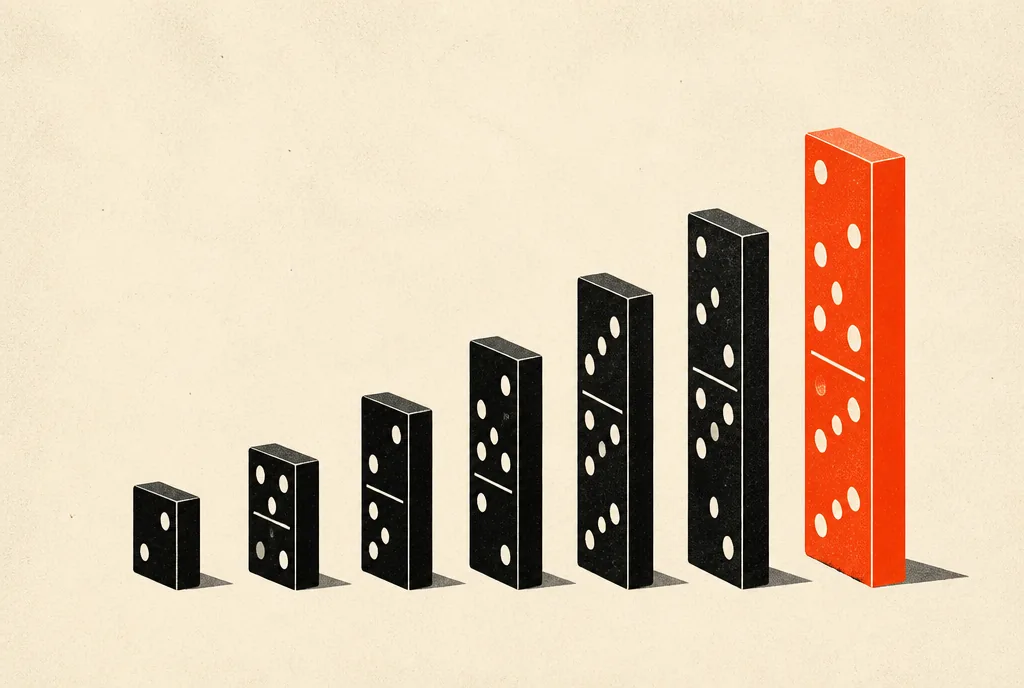
Short answerOrder the page by the beliefs a buyer needs, in the order they need them. For a skeptical cold market that usually means the promise first, then proof right away, then the real problem and why nothing else worked, then why your approach works, then more proof, and only then the offer and price. In sales page structure, sequence matters more than clever writing. A price that shows up before belief just gives people a reason to leave.
I’ll say something that sounds strange coming from someone who loves writing. When it comes to copy, sequencing is more important than quality. If the sequence is right, the copy can be pretty mediocre and still sell. If the sequence is wrong, beautiful copy won’t save it.
One of the easiest sequencing mistakes to make is letting the price arrive too early. Not necessarily the number itself. The ask. The page starts selling before the reader believes anything, and every word after that is swimming upstream.
Here’s the sales page structure I build in, using my own low-ticket sales page for advertisers as the example, since I can show you exactly why each piece sits where it does.
Step one: open with the outcome they want
The very first thing on the page is the outcome and how it helps them. On mine, the promise was about using a Facebook ads framework to cut ad costs, get more sales, and make ads easy again.
The reader’s first reaction is “yeah, I want that.” Then they immediately run into the next two thoughts, and your page has to be ready for both. First: I’ve tried everything under the sun, what makes this different? Second: I don’t know if I believe you yet.
Everything after the headline is answering those two thoughts, in the right order.
Step two: put proof exactly where the skeptic needs it
In a burned market, the second thought wins. The market I sell to views anyone as guilty before they have the chance to prove their innocence. If I start arguing my method before I’ve proven anything, they don’t hear the argument at all.
So on my page, proof comes right after the promise. I basically fire-hose them with it. Different kinds of results, from people in different situations, because people in different situations need different kinds of proof. Most visitors won’t watch all of it. They’ll watch ten seconds of one, ten seconds of another, and hop around. That’s fine. Each one is building a case in their mind.
How much proof, and where, depends on how much the market trusts you. For an open market, light proof as support is plenty. For a skeptical one, weave it through and lean heaviest after you explain how it works. For a guilty-until-proven-innocent market, it goes right up top. Know which one you’re in before you build.
Step three: name the real problem, and take the blame off them
Once they’re willing to listen, you spend real time on what the actual problem is. In the structure of my own sales page, a surprising amount of space goes here, more than on the product.
The reason is simple. You can’t get someone to agree with your solution until they agree with you about the problem. Skip that agreement and your solution sounds like one more pitch.
This is also where you explain why the stuff they tried before didn’t work, in a way that doesn’t make them feel stupid. It wasn’t their fault. Every solution they’ve been sold so far was just a different brand of fishing rod. If the reader walks out of this section thinking “that’s why nothing worked,” the rest of the page gets a lot easier.
Step four: explain why it works, one piece at a time
Now you introduce your approach and the logic behind it.
I think of this part like arguing a case in court. You have to explain things to the judge in a very specific order, so that by the end they go, well, that’s just logical, I side with you. “The first thing you need to know is this, the second thing you need to know is this,” and so on. Claim, prove it, reinforce it, then the next claim.
Keep each piece easy to grasp. Cold readers scan, grasp, scan, grasp. The more sophisticated your audience, the more they need to understand, but you can’t go too deep. The deeper you go into process, the more you’ll usually lose them. Give them the why and enough of the how to believe it, not the whole manual.
Step five: re-prove, then show the offer, then the price
Right before the ask, prove it again with different examples than the ones at the top. By now they’ve accepted the argument, so fresh proof lands differently. It confirms a conclusion instead of fighting a suspicion.
Then the offer. Here’s a secret: I almost never talk much about what’s inside a product. I talk about the philosophy, what they can expect, and the outcome. The less you talk about the product itself, typically the higher it converts, especially with a sophisticated audience. The contents list can go in the follow-up emails.
What does help right before the price is a simple picture of what happens next. What they can expect in the first hour, the first week, the first month. When people can see the timeline, they can picture themselves in it.
Then the price. With this sales page structure, it’s the last small step in a decision they’ve mostly already made, not the first obstacle in a decision they haven’t started.
Step six: close for a maybe, not a yes
Cold traffic doesn’t say yes. It says maybe, “I’ll check this out.” Your close should be built for that. It’s where a guarantee belongs, on the page, because a guarantee exists to take the person still stuck at maybe and get them to “okay, I’ll at least try this.”
And keep urgency honest. Scarcity only works when they already want the thing. Putting a countdown in front of someone who doesn’t believe yet is like adding jet fuel to a plane with no wings. It’s also why pulling the buy button above the argument backfires; I went into that in why more steps in your funnel can raise conversions.
One honest exception to all of this. Warm buyers who already know you and already believe the argument don’t need the whole sequence. For them, a short page with the offer near the top is fine. The full order is for strangers.
What to do this week
Print your sales page and mark its structure by writing one label in the margin next to each section: outcome, proof, real problem, why it works, proof again, offer, price. Then find where the price and the first buy button appear. If either shows up before the proof and the real-problem section, move it below them and compare purchases, not clicks, over the following week.
What order should a sales page be in?
It depends on how much the market trusts you. For skeptical cold traffic, I use the outcome promise, then proof, then the real problem and why past attempts failed, then why the approach works, then more proof, then the offer and price. Warmer markets can take lighter proof and a shorter path.
Where should the price go on a sales page?
After the reader believes the problem is real and your approach can solve it. For cold traffic, that means after the proof, the problem section and the explanation of why it works. Price that appears before belief turns into the main reason to leave, even when the number is small.
Should a sales page explain everything inside the product?
Usually not. I focus on the philosophy, the outcome and what buyers can expect, and keep detailed contents light. In my experience, the less a page talks about the product itself, the higher it tends to convert, especially with sophisticated buyers. Detailed contents work better in follow-up emails.
P.S. If you’re not sure how skeptical your market is, read the comments on your own ads. Mockery and “this is a scam” replies mean proof goes at the very top. Mostly curious questions usually mean you’ve got a bit more room.