Offers
How to build an ascension path from a small purchase to a real engagement

Short answerBuild your value ladder backwards. Start with the real engagement you want to sell, then list the problems someone has to get past before that offer makes sense to them. Give each step one of those problems to solve. The front end gets them past the first obstacle, the bump makes that win easier, and the call only shows up once they’ve hit a limit that the small purchase can’t fix on its own.
Before I ever had a course, the thing that paid my bills was selling single ads. People bought my ads for about a hundred bucks a pop, and I was writing five to fifteen of them a day.
I didn’t plan it as a funnel, but it worked like one. People came in the door for a single ad. A lot of the time, after a few of those, somebody would come back and say something like “hey, can you just do it for me?” And that turned into the bigger work.
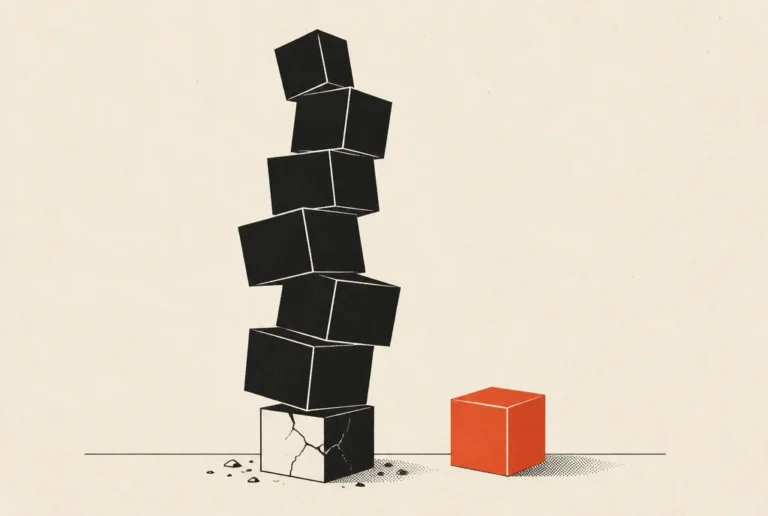
That’s an ascension path, what a lot of people call a value ladder, in its simplest form. A small, useful purchase that leads to a bigger one because the buyer can see it’s the obvious next step. Most of the ones I get asked to fix go wrong because they were built the other way around, starting with a cheap product somebody already had and then trying to stack something expensive on top of it.
So here’s how I build one now. It’s a sequence, and the order matters.
First, write down the real engagement and work backwards
Start at the top. What is the thing you actually want people to end up in? A done-for-you service, a coaching program, a mentorship, a high-ticket course. Write it down with its price.
Then ask what someone has to believe, and what they have to get past, before that offer makes sense. Somebody who just found you on Facebook ten minutes ago is not ready to pay you thousands. Somebody who has already gotten a win from you, and has hit the point where they want help going further, might be.
The way I sequence it is by problem. Each step solves one problem and opens up the next one. The front end handles what they want right now. The middle handles the thing that goes wrong once they start. The back end handles going further, faster, with you next to them.
If you can’t list those problems in order, you can’t build the value ladder yet. That’s the actual work, and it’s offer work, not funnel work.
Second, make the front end solve the first obstacle only
The front end’s job is to get someone past the first obstacle in front of them. Not all the way to the finish line.
For cold traffic I’ve found seven to $27 is the sweet spot for a low-ticket front end. Past that, the economics usually stop working. And it’s a buyer, not a lead. Somebody who pays you $17 has crossed the hardest line in marketing, which is handing you money, and they behave very differently from somebody who typed their email in for a freebie.
What the front end should sell is the philosophy. The why behind how you do things, and one real win they can get with it. The full process, the step-by-step, the done-with-you implementation all belong later. If you try to pack all of that into the cheap thing, you overwhelm a cold buyer and you leave nothing to ascend to. (I wrote more about that line in building a front end that doesn’t cannibalize your backend.)
A $17 product that promises the entire transformation isn’t believable anyway. People can feel that.
Third, design the natural limitation
This is the step almost everyone skips.
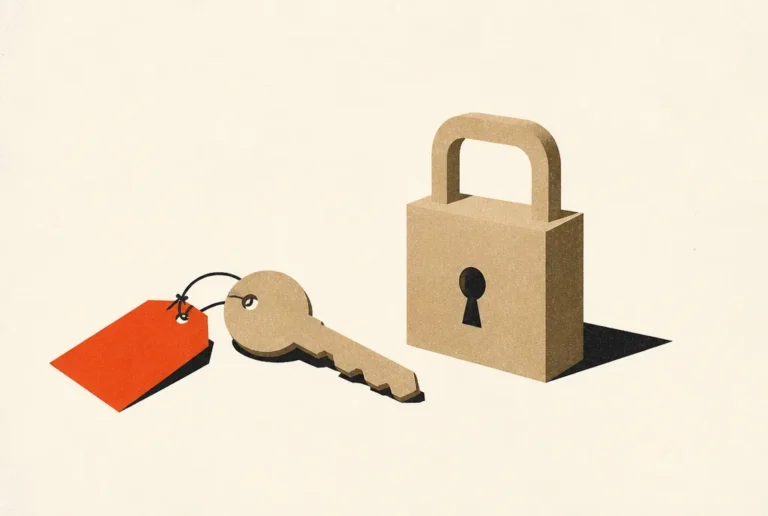
Somewhere in your front end, the buyer should run into a natural limitation. A point where they’ve used what they bought, it worked, and they go “okay, I still need help with this part.” Not because you hid something from them. Because the next problem is real, and it’s bigger than a $17 product can handle.
Decide what that point is on purpose. And put it early. If someone spends thirty to forty-five minutes with your front end, you want them hitting that limitation inside that window, while they’re still excited, not three weeks later when they’ve forgotten who you are.
For a training product it might be the moment they understand what to do but can’t yet do it for their own situation. For a service business it might be the point where the customization kicks in. Everybody’s situation is a little different, so a call to tailor it to them is an honest offer, not a trick.
Fourth, fill in the steps between
Now the middle of the value ladder. My usual shape is a low-ticket front end, a few order bumps, then an upsell that is a book-a-call page or a short video inviting them onto a call, framed as a complimentary next step because they bought.
The bumps should complete the front end. They help people get a better result with what they just bought, right away. When a bump does that, the people who take it tend to be the same people who take the next offer too, because they’re the ones making progress. There’s more on building those in how to design an order bump people actually take.
Then, between purchases, mature them. This is where most of the money gets made. It’s much better to get somebody in on a strong ad at a low ticket, make them a customer, and then use email, content, groups and video to bring them along until the bigger offer is the obvious move. People who stack a few small wins with you get to a point where it would feel strange not to upgrade.
Fifth, judge the front end on the whole path
Here’s where people panic and kill a path that’s working.
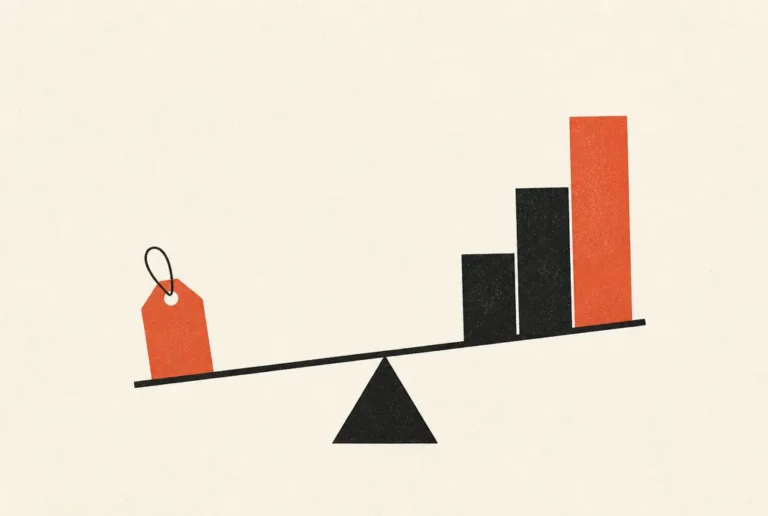
On my own $17 front end, with the bumps, the average order lands somewhere around $80 to $90. I might spend $30 to $40 to acquire that customer. My goal on these front-end funnels is to get close to break-even (with my personality and my brand behind it, so your numbers may look different). If the front end pays for itself, or close, then everyone who books a call cost you close to nothing to get there. Sometimes they effectively paid you to get on the call.
So don’t judge the $17 product against $17. Judge it against what the whole value ladder brings in, and measure the backend at the account level, total spend divided by total closes over a rolling window. Trying to credit a $5,000 sale to one specific ad is a mess you don’t need.
What to do this week
Take a blank page and write your top offer at the top. Under it, write the three or four problems someone has to get past before that offer makes sense, in the order they hit them. Then next to each problem, write which step of your path solves it today. The blank line is where you’re losing people, and it’s usually the natural limitation. Build that one first.
What is an ascension funnel?
It’s a sequence of offers that moves a buyer from a small first purchase toward a bigger engagement. Usually a low-ticket front end, order bumps, an upsell or call invitation, and a high-ticket program or service at the end. Each step should solve one problem and make the next step feel like the natural move.
How much should a low ticket front end cost?
For cold traffic I’ve found $7 to $27 is the sweet spot. It’s low enough to be an easy yes and high enough that you’re attracting buyers instead of freebie seekers. Above that range the front-end economics tend to fall apart, because you’re asking a stranger for too big a decision.
How do I get low ticket buyers to buy high ticket?
Give them a real win first, then let them hit a real limitation the small product can’t solve. Keep the full implementation for the back end, stay in touch with email and content between purchases, and invite them to a call right after they buy, framed as helping them apply what they just got.
P.S. If you already have a front end and no backend, don’t build the backend from scratch in a vacuum. Read the replies and questions your front-end buyers send you. They’ll tell you exactly where the natural limitation is.