Funnels
How to decide between a call funnel and a checkout funnel
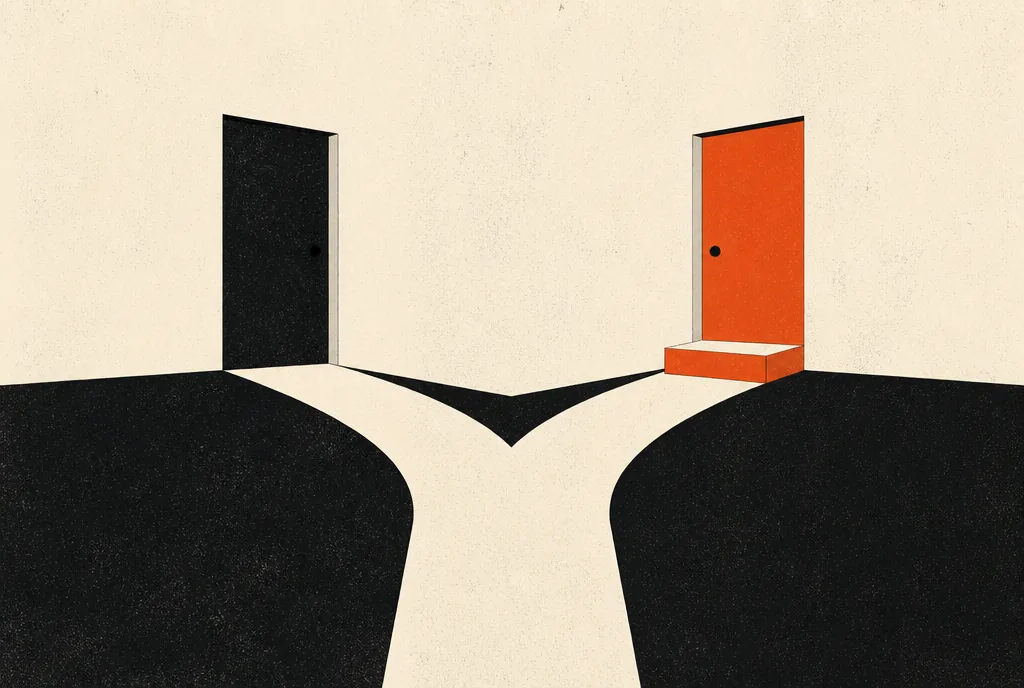
Short answerUse a checkout when the price is low enough for a stranger to decide alone and the offer doesn’t need to be fitted to them. Use a call when the price is high, the work is custom, and someone on your side can actually hold a sales conversation. For cold traffic, the answer is often both: a low-priced checkout first, then a call offered to people who’ve already bought.
This decision gets made on feel more often than it should. People who like talking build call funnels. People who hate the phone build checkouts. Then they wonder why the numbers don’t work.
I’ll tell you my bias up front, since it matters here. I don’t like selling one-to-one, and I’ve said so publicly. That shapes how I build funnels for myself. But the decision for your business should come from four questions, not from my personality or yours. Here they are, in the order I’d ask them.
Question one: what does it cost, and how cold is the traffic?
Start with the tier. I split offers roughly into three. A front end that’s accessible and solves one specific problem, a middle tier with the fuller method, and a backend that’s high touch and high ticket.
Cold traffic buys front ends. A lot of businesses that struggle with ads are making a tier mistake, trying to sell a backend offer cold to strangers who met them eleven seconds ago in a feed.
So if your offer is in the low range (for me that’s roughly $7 to $47), it wants a checkout. Nobody needs a call to decide on a $27 product, and asking them to book one adds friction for no reason. If your offer is in the thousands, a stranger almost never buys it from a page alone, and a conversation, or at least a long presentation, starts to earn its place.
The middle is where you actually have to think. That’s what the next three questions are for.
Question two: how does your market like to buy?
Every market has what I call a marketing meta-model, the one way that market needs to be sold to. Coaching and info products tend to buy from a presentation. E-commerce buys from a demonstration. A lot of local businesses run on phone calls.
If you fight the meta-model, you pay for it. If you obey it, it gets a lot easier.
So ask how people in your market already buy things like yours. If every serious competitor sells after a consult and buyers expect to talk to someone, a checkout might feel cheap or risky to them. If buyers in your market want to see it work and then click buy, forcing a call on them adds a hoop they didn’t ask for.
Also ask whether the offer needs to be fitted to the person. If what you deliver changes depending on their situation (their budget, their account, their team), a call is part of the product, because you can’t price or scope it without one. If it’s the same thing for everyone, a page can do the job.
Question three: who’s going to be on the phone?
This is the question people skip, and it’s the one that sinks most call funnels.
I learned this about myself the hard way. I worked closely with a very good closer for a couple of years on some big offers, watched him work, and never really understood what he was doing until a conversation with him much later. That’s when it clicked for me why I can’t close. Closing on the phone is a skill, and the core of it is holding the frame. It doesn’t matter how good your objection handling or your pitch is if the frame breaks. I’m too relational on a call. I give everything away.
So I don’t do high-ticket closing calls anymore. I sell through webinars and presentations, where I stick to a script, and when an offer needs a phone close, a closer does it.
If you’re the one who’ll be taking calls, be honest about whether you’re good at it and whether you’ll actually do them consistently. A call funnel with nobody reliable answering is worse than a checkout. If it’s not you, budget for someone who closes for a living. Appointment setters who can’t close don’t fix this.
Question four: can the numbers carry a call?
A call funnel has more steps where people fall off. Someone has to see the page, book, show up and buy, and each of those is its own leak.
For a book-a-call page, I want maybe 5 to 10% of visitors to book. Then you’ve got show-up rate and close rate on top. Run the math on your real cost per click with those rates and see what a closed deal costs you. If that number is higher than a customer is worth to you, the funnel doesn’t work no matter how good the closer is.
Two more things to know going in. People who book a call off an ad aren’t really saying yes. They’re saying maybe, same as someone buying a cheap front end. The call is where the yes happens, or doesn’t. And don’t try to trace each high-ticket close back to a single ad. The close usually lands long after the click. Track your blended cost per close across the account, plus the booking rate and show rate as early signals.
The answer is often both
For cold traffic, the structure I reach for most is a low-priced front end at a checkout, and then a call offered after purchase to the people who want more help.
The front end does the qualifying for you. Someone who’s paid you something, used it and gotten a small win is a very different person on a call than someone who clicked an ad an hour ago. That same closer has said the reason he could close at 80% plus was that the people we were bringing in were such high quality. Who shows up to the call decides most of what happens on it.
It also means the front end can pay for a good chunk of the ad spend, so the calls aren’t carrying the whole acquisition cost. Just make sure the front end solves the first problem without solving the whole problem, or nobody will need the call. That’s the whole topic of building a front end that doesn’t cannibalize your backend.
And if you want the high-ticket sale without calls at all, a presentation can do it. That’s what a good webinar is. I covered one piece of that in running a webinar that sells without fake timers.
What to do this week
Write down your offer’s price, then answer the four questions in one line each: tier, meta-model, who’s on the phone, and what a closed deal costs at a 5 to 10% booking rate. If two or more point to a checkout, build the checkout. If you land on a call, add a low-priced front end in front of it, and offer the call only after someone buys.
What is a good book a call conversion rate?
For a book-a-call page, I look for roughly 5 to 10% of visitors booking. That’s before show-up rate and close rate, so check the full chain. What matters in the end is your blended cost per closed deal compared with what a customer is worth to you.
Can I sell a high ticket offer without sales calls?
Yes. A webinar or a long presentation can sell high-ticket offers, and it’s how I prefer to sell because I can stick to a script. It works best when buyers don’t need the offer customized to them. If the work has to be scoped to each person, some kind of conversation is usually part of the sale.
Should I send cold traffic straight to a book a call page?
It can work, but it’s often a tier mistake: asking strangers to consider a big purchase too early. I usually prefer a low-priced front end first and a call offered after purchase. Buyers who’ve already paid and gotten a small win show up to calls more ready, which makes the closer’s job much easier.
P.S. If you hate sales calls, that’s useful information, not a character flaw. Build the funnel around it instead of forcing yourself onto the phone and doing it badly.